Veibras Caraguatatuba is top approached as a structured buying process—research the vehicle, compare verified listings, and evaluate total ownership costs before committing. This guide provides objective context on the “Veibras Caraguatatuba” search intent (regional interest and dealership-style shopping), what buyers should expect when browsing major online marketplaces, and how to reduce risk with documentation checks and price comparisons.

If you’re looking for Veibras Caraguatatuba, treat it like a two-track workflow: (1) validate vehicle availability and pricing from established online platforms, and (2) confirm the car’s condition and transaction details before you schedule payment. Car shopping in a coastal region like nearby typically involves more same-day decisions, so you’ll benefit from a checklist that prioritizes paperwork, inspection, and total cost of ownership rather than browsing alone.
At a high level, the safest strategy is to assume that the keyword you see (for example, Veibras Caraguatatuba) is an “intent signal,” not proof of inventory quality. A keyword may bring you to a dealer, a local reseller, or even a third-party listing with inconsistent documentation. Your job is to verify what you’re actually buying: the exact vehicle identification, its condition history, and the “out-the-door” cost.
Also, “car on sale” language can be a trap if you only focus on the headline number. Coastal regions can influence wear patterns—humidity, salt air exposure, and corrosion risk can change what a “good deal” really means. Therefore, you should evaluate the deal as a package: price + condition + repairs + registration and fee structure + ownership costs over the next few years.
Think of your process as a safety funnel. Early on, you narrow options by matching your needs (make, model, budget, transmission, fuel). Midway, you validate the listing integrity (VIN details, service history, title/ownership documentation, accident disclosures). Late in the funnel, you confirm the physical reality (inspection, test drive, verification of paperwork at the point of sale). This prevents you from paying for something that looked good online but is expensive—or unsafe—to own.
“Veibras Caraguatatuba” commonly appears in search behavior tied to dealership-style browsing—people want a car they can verify quickly, understand pricing transparency, and compare options from a local perspective. In practice, buyers tend to use regional terms to narrow inventory and then rely on online listings to cross-check models, trims, and seller reputation. Because pricing can vary by condition, mileage, and documentation status, objective comparison is essential—especially when you’re deciding between similar listings.
When shoppers include local terms, they often aim for convenience: shorter travel distance, faster communication, easier test drives, and less complicated logistics. However, convenience can also lead to a higher risk if a seller relies on pressure or urgency—“today only,” “deposit now,” “limited availability,” or “we’ll confirm details later.” Your safest response is to slow down just enough to verify facts.
From an industry standpoint, the very reliable shopping outcomes usually come from combining: (a) marketplace inventory visibility, (b) seller and listing verification, and (c) a disciplined evaluation of ownership costs (insurance, maintenance, tires, fuel economy, and any necessary repairs).
Let’s translate that into buyer behavior. A disciplined buyer doesn’t merely search and screenshot. They collect evidence and then use it to make decisions. Evidence may include: consistent VIN match across platforms, documented service intervals, inspection reports, clear fee breakdowns, photos from multiple angles, and accurate descriptions. Without these, the buyer is effectively gambling.
It’s also useful to understand that many online listings are “marketing summaries,” not full disclosures. A listing might describe a car as “clean” while not clarifying whether it has corrosion, prior repainting, or non-obvious mechanical issues. That’s why your process must include verification steps beyond the listing page.
Finally, remember that “objective background” doesn’t mean you should be emotionless—it means you should be methodical. When you keep your decisions grounded in verifiable data, you reduce the chance of overpaying, buying a problem vehicle, or getting stuck with unexpected fees or repair bills.
When customers search for cars near nearby, many end up comparing listings across large aggregators and dealer networks. Below is a comparison table of how these official-style platforms support buyers (without listing specific prices here, since inventory and terms change frequently).
| Platform | What you typically use it for | How it helps decision-making |
|---|---|---|
| cars.com | Broad inventory browsing and cross-model comparison | Filters for make/model, location-based results, and structured listing details |
| Carmax | Shopping with a dealer-centric experience | Inventory discovery and streamlined purchase flows (where available) |
| caronsale.com | Discovery of listings from multiple sellers | Comparative browsing and narrowing by attributes |
| autotrader.com | Model-focused search and dealer listings | Market-wide visibility to benchmark pricing and availability |
source: [www.cars.com](https://www.cars.com/) ; [www.carmax.com](https://www.carmax.com/cars) ; [www.caronsale.com](https://www.caronsale.com/en) ; [www.autotrader.com](https://www.autotrader.com/) (These links are the source of the platform-information referenced in this article.)
Even if these sites don’t guarantee a perfect deal, they help you build a reliable decision environment. For example, structured listing fields make it easier to compare mileage, ownership type, transmission, and location. Filters let you reduce the “noise” that comes from irrelevant listings. And a consistent platform interface makes it easier to identify anomalies—such as missing service records, unclear pricing, or ambiguous condition statements.
Another advantage of using established platforms is that they often provide context and verification mechanisms: dealer identity, listing history, and sometimes buyer-protection processes depending on jurisdiction and seller type. While you should still verify everything, the presence of reputable platforms reduces the likelihood that you’ll encounter low-transparency scams.
It’s also smart to cross-check listings across more than one platform. If a vehicle appears on multiple sites with consistent specs and VIN details, the listing is more likely to be legitimate. If the same car shows up with mismatched details (year, trim, accident history, mileage), treat it as a red flag. In a safe workflow, you only advance when the “facts layer” is consistent.
Lastly, treat platform browsing as part of your due diligence, not your due diligence itself. A listing is an entry point. Your verification occurs before money changes hands.
To consistently find a cheap car or a genuinely advantageous “on sale” offer, you need to separate “low listed price” from “low total cost.” Below is a step-by-step approach that works regardless of whether your starting point is Veibras Caraguatatuba or a broader nearby search.
Most people define “cheap” as “the lowest number on the listing.” Expert buyers define cheap as “the best deal when you consider what the car will cost to own.” That includes predictable maintenance and the possibility of irregular repairs (wear items, suspension components, tires, brakes, battery health, cooling system maintenance, and electrical issues).
In coastal environments, additional ownership-cost factors can matter more. Salt air can accelerate corrosion, and humidity may affect electrical connectors and sensors. In some cases, a car that looks “clean” in photos might have hidden corrosion underneath, which can later affect brake lines, steering components, and underbody structures. Therefore, a cheap car that is structurally compromised is rarely a true bargain.
Start with objective filters: body type, gearbox preference, fuel type, year range (if relevant), and mileage ceiling. Industry experience shows that buyers who set these constraints early are less likely to be pulled into emotional decisions based on photos alone.
To make this more practical, write your constraints in a simple hierarchy:
Why does this reduce risk? Because it forces you to compare like with like. If you don’t define constraints, you might buy based on appearance while ignoring drivetrain, wear indicators, and parts cost.
Also, include practical constraints tied to your use case. If you drive mostly in city traffic, prioritize comfort and reliability (cooling system health, transmission behavior, and brake performance). If you frequently do highway driving, prioritize stability and tire condition. If you commute in wet conditions, ensure the vehicle’s electrical systems and wipers are in good shape.
Finally, define your “maximum acceptable uncertainty.” For example: “I will only consider a car with incomplete service records if it passes inspection and has no corrosion concerns.” This gives you a decision boundary when listings don’t fully disclose history.
Use the official marketplace pages you consult to compare the same general vehicle category. If two similar vehicles differ substantially, ask why: accident history, missing maintenance records, atypical wear, or documentation issues can hide behind the listing headline.
Benchmarking is one of the strongest ways to protect yourself from overpaying. If you see a vehicle advertised as a “deal” but similar cars are consistently priced higher elsewhere (with better documentation), it may be a sign that something is missing or worse than advertised. Conversely, if a car is cheaper across multiple platforms, it may indicate a genuine market correction—potentially a clearance sale—or a factor not obvious from the listing.
When benchmarking, compare these elements carefully:
You can also benchmark locally and regionally. If you search using Veibras Caraguatatuba, you may find listings with pricing influenced by local demand and seller urgency. To avoid being trapped by local scarcity, compare with broader listings within nearby or neighboring areas, then decide whether the convenience is worth the price difference.
A helpful habit is to create a small spreadsheet or note: each car you like gets a row with price, mileage, location, seller type, and whether the seller provides documentation. When you can see the pattern across multiple cars, “bad deals” become easier to identify early.
“On sale” can mean different things—inventory clearances, short-term promotions, or dealer-driven pricing changes. Instead of assuming the deal is automatically favorable, request clarity on: included fees, warranty terms (if any), and whether the listed price is final or subject to adjustments.
To interpret “on sale,” you need to translate marketing language into contract reality. Here are common examples of what “on sale” might hide:
Instead of asking vague questions like “Is this the best price?”, ask contract-specific questions: “What is the out-the-door price including taxes, registration, documentation fees, and any required dealer add-ons?” “Is there a warranty? What components are covered and for how long?” “Are there any known issues not reflected in the listing?”
This is not confrontational—it’s responsible. A legitimate seller should be able to provide clear answers without hesitation.
Also, if the seller pressures you to pay quickly before verifying the contract, pause. A safe workflow includes documentation review and inspection scheduling before payment.
Even when shopping online, verify key items relevant to your local purchase context: proof of ownership, service history, and the completeness of transaction paperwork. If a seller cannot provide clear documentation, treat it as a risk signal.
Documentation is not just a bureaucratic detail; it’s an indicator of legitimacy and future ownership smoothness. Missing or inconsistent documents can lead to long delays, unexpected fees, or legal complications. Even in straightforward purchases, a buyer who confirms documents early can reduce the risk of being forced into a more expensive resolution later.
Before committing, make sure you can confirm at least the following categories of paperwork (names can vary by jurisdiction):
In safe transactions, you want documentation to align with vehicle facts. Example: if the listing states certain service intervals, the service record should plausibly match the mileage and dates. If a seller claims “no accidents” but can’t provide credible disclosure or the paperwork doesn’t match, treat it seriously.
If you’re dealing with vehicles found via Veibras Caraguatatuba searches, remember that local convenience might reduce your travel time, but it doesn’t replace verification. A local seller can still be unreliable, and a remote seller can still be legitimate.
As a buyer, you should also confirm any “transaction requirements” unique to your situation: financing pre-approval requirements, deposit policy, and whether inspections must happen before you sign documents. The safest approach is to request a full written breakdown of transaction steps.
For anything you consider “cheap,” inspection matters very. Pay particular attention to underbody condition, tire wear patterns, brake performance, and signs of prior repairs. A low price can be justified only when the underlying condition supports it.
Inspection doesn’t always need to be complicated. You need a structured evaluation that covers both visible and less visible areas. If you can get a mechanic to inspect, do it—especially for any vehicle that will be your daily driver.
Here’s an expanded inspection checklist you can use as a framework:
If you cannot perform a full mechanic inspection right away, at least do a basic pre-purchase walk-around and drive test. But be careful: for cheap cars, “basic” can miss critical safety issues—so schedule a proper inspection when possible.
In coastal areas, also consider the possibility of water exposure. Water exposure can lead to corrosion in wiring and modules. It can also cause persistent electrical faults that appear intermittently. If you detect musty odors, water stains, or signs of dampness, increase your caution and ask for professional inspection.
When negotiating, anchor your questions in observed condition and verified information. If you find discrepancies (for example, cosmetic damage not reflected in the listing, mismatched documentation details, or unusual maintenance gaps), use them to justify a realistic counteroffer.
Negotiation is where many buyers lose money because they negotiate based on feelings—“I like it but it’s expensive” or “I’ve been looking for a week.” Evidence-based negotiation is different. You identify specific differences between what was advertised and what is true, then connect those differences to expected costs.
Evidence you can use includes:
When you counteroffer, tie your number to reasoning. For example: “Based on inspection findings showing replacement needed for X, I can offer Y.” Even if you don’t provide every detail, you should be prepared to explain your logic.
Also, avoid arguing about “why the listing says something.” Focus on what it means financially now. Buyers sometimes waste time on the seller’s explanations and forget that the car’s current condition is what determines its value.
Finally, negotiation should never push you into skipping inspection or paperwork review. If the seller tries to pressure you into paying quickly “so you don’t miss the deal,” that’s not a good sign. A safe deal allows you to verify.
“Cheap” should reflect the years ahead: expected maintenance, consumables, potential repairs, insurance premiums, and fuel economy. A slightly higher purchase price can sometimes be the cheaper choice overall if the vehicle is better maintained.
TCO helps you answer a critical question: “Will this car be affordable for my life, or will it become a financial drain?” Many buyers focus on monthly payment or sale price and then get surprised by replacement cycles or unexpected repairs.
A practical TCO approach includes:
In a coastal environment, you may also add a corrosion-related contingency. If underbody rust appears early, future repair costs can jump. For safe budgeting, you can mentally allocate funds for possible underbody work, brake line replacement, or suspension component replacement—depending on inspection results.
To avoid “analysis paralysis,” you don’t need a perfect accounting model. You need a realistic estimate: “If this car needs X soon, can I afford it?” If the answer is no, the car may not be cheap for you—even if the listing is cheap.
When you integrate TCO with your benchmark research, you end up with a more confident decision. You can compare “cheap” offers fairly and avoid spending money twice (once on the purchase and again on repairs).
Below are common requirements buyers should consider before finalizing purchase decisions—especially when comparing Veibras Caraguatatuba-related listings and similar inventory near nearby.
To expand this into a safer, more actionable set of requirements, consider adding the following items to your “must confirm” list:
Also, require clarity about communication and timelines. In safe transactions:
If the seller avoids questions or responds with vague statements, that’s a signal. Legitimate sellers understand that transparent documentation builds trust.
When buyers refer to Veibras Caraguatatuba, they often want convenience, faster communication, and easier follow-up. In coastal regions, wear patterns can differ: corrosion-prone areas, humidity-related issues, and tire condition may behave differently than in drier climates. For that reason, inspection should pay extra attention to rust-prone components, underbody protection, and electrical system stability.
Local context changes both risk and what you should inspect. In humid/coastal climates, the “time dimension” matters: a car’s age can be the same as in a drier region, but the condition can degrade faster. Therefore, a listing that looks “okay” might still have hidden issues that develop over time due to salt exposure.
Here are localized factors you can watch for during inspection:
If you’re balancing time, consider narrowing your short-list early and scheduling inspections during daylight hours. That simple choice can make damage identification and verification easier—particularly for paint condition, panel alignment, and signs of water exposure.
Daylight also helps you evaluate color matching, gloss level, and subtle differences in repaint areas. In low light, it’s easier for a repaint to blend and for surface issues to hide. When a deal is “cheap,” you should make inspection conditions as strong as possible.
It’s also worth considering logistics. If you’re traveling from outside the region, plan the trip so that you can inspect and drive rather than doing “quick looks.” Quick looks encourage impulse decisions. A safe car search gives you enough time to verify.
In real-world shopping, two cars can appear nearly identical in listing details, yet one is the better purchase. Industry practice often focuses on these comparison angles:
To make this more concrete, expand your comparison into a “value score” across categories:
If one car is cheaper but has weaker documentation and poorer inspection readiness, it may not be the better bargain. A safe framework often leads you to choose the car that reduces uncertainty. In other words, the best deal is frequently the one with fewer unknowns.
Another comparison method is “future risk sensitivity.” Some buyers can handle moderate repairs. Others need a stable daily driver with minimal risk. If you need a reliable vehicle, you should be more risk-sensitive and prioritize well-documented vehicles, even if their listed price is slightly higher.
Also compare how the seller communicates. Good communication can be a proxy for professionalism and transparency. Sellers who respond clearly, share documentation, and cooperate with inspections generally pose less risk than sellers who rely on vague assurances.
Start with a clear shortlist (make/model, budget, and must-have features) and then verify availability and terms on major online car listing platforms. Treat regional keywords like Veibras Caraguatatuba as an intent signal, not as proof of specific inventory or pricing.
To go one step further, build a “shortlist list” before you contact sellers. For example, shortlist 3–5 cars that match your criteria. Then you contact sellers only after you’ve confirmed that each listing meets your must-have conditions. This reduces time wasted on vehicles you would never buy.
Use inspection and documentation checks. Low prices often reflect condition differences, incomplete service history, or transaction complications. Compare similar listings and request clarity on pricing breakdown and vehicle condition.
In practical terms, a low price is more likely to be a real deal if the seller provides consistent documentation, allows inspection, and the car’s physical condition matches the listing description. A low price is more likely to be risky if the seller discourages inspection, provides limited documentation, or avoids answering direct questions about known issues.
Not necessarily. “On sale” may involve short-term promotions, dealer inventory strategy, or variations in warranties and included fees. Always compare final out-the-door cost, not just the headline number.
Sometimes “on sale” pricing is a teaser figure that assumes you pay for add-ons or finance through the dealer. Other times, a discount comes from genuine competition. Your job is to verify the transaction structure and compute the real total cost.
If you find comparable vehicles with better documentation and inspection options elsewhere near nearby, it may be worth expanding beyond a single local keyword. The goal is to reduce risk while still respecting logistics and time.
Local convenience can still be valuable. For example, if a local seller is transparent, offers inspection time immediately, and provides paperwork quickly, then convenience and safety can align. The key is that convenience should not replace verification.
Confirm ownership and transaction-related documents are complete and consistent with the vehicle details shown in the listing. If anything is unclear—especially around history, repairs, or fees—pause and request verification.
If possible, ask for document copies or photographed documents (where allowed) so you can review them before you travel or before you sign. Reviewing documents while you’re calm prevents rushed decisions made under pressure.
Negotiate using evidence from inspection findings and verified listing comparisons. A structured approach—based on objective differences in condition and maintenance—tends to produce better outcomes than generic bargaining.
Avoid negotiating solely by saying the price is too high. Instead, present your evidence: “This brake component likely needs replacement within X mileage,” “Underbody corrosion indicates repair soon,” or “Service records are incomplete compared to the comparable listing.” When you negotiate with facts, you increase your leverage and reduce the chance of emotional back-and-forth.
Veibras Caraguatatuba can be a useful starting point for discovering cars and promotions, but the real value comes from a method: compare inventory across reputable listing platforms, interpret “on sale” carefully, verify documentation, and evaluate total ownership cost. If you follow the steps above, you’ll be better positioned to locate a truly cost-effective vehicle—whether the top option is in a local listing or one found through broader marketplaces near nearby.
When you treat car shopping as a controlled verification process—rather than a browsing contest—you transform the search from a stressful gamble into a confident purchase. You reduce risk, avoid surprise fees, and make sure the vehicle’s condition aligns with its price.
Ultimately, the “safe” way to buy is to insist on transparency: clear listing information, inspectable condition, complete paperwork, and a total-cost view of the decision. If you keep those standards consistent, Veibras Caraguatatuba becomes more than a keyword—it becomes the start of a disciplined plan that protects your money and your future driving experience.
1) The above information comes from online resources, and the data is as of October 2023. 2) For more information, please refer to the official website.
Striking the Perfect Balance: Navigating Premiums and Out-of-Pocket Expenses in Senior Insurance Plans

Explore the Tranquil Bliss of Idyllic Rural Retreats

How to Make Lasting Memories at Disneyland Attractions

Affordable Phones and Plans for Seniors

Affordable Full Mouth Dental Implants Near You

Unlock the Top Kept Secrets to Finding Your Ideal Dentist for Flawless Dental Implant Results!

Discovering Springdale Estates

Unveiling RS Sul Telecom Services

The Guide to Car Trading

The Guide to Car Trading
This comprehensive guide explores the dynamics of car trading through the lens of organizational culture theories by Cameron & Quinn. With a focus on how these theories influence business operations and consumer behavior in the car trading industry, this article also introduces platforms where vehicles are commonly traded. Considered resources like Autotrader and Carmax, ensuring access to up-to-date car listings and information.

How to Buy Quality Used Cars Affordably
Buying a used car can be an excellent way to save money while still obtaining a reliable vehicle. However, it requires careful planning and informed decision-making to ensure that you get the best deal without compromising on quality. This guide will walk you through the essential steps to buy a quality used car affordably, covering key considerations and strategies.

Choosing the Perfect Economical SUV for the Elderly
Selecting an economical SUV for seniors involves considering affordability, comfort, and safety. This guide offers valuable tips to help older adults find their ideal vehicle.

Driving into the Future: Electric Cars for Seniors and Their Benefits
In today's world, electric cars offer seniors numerous benefits. This guide provides advice and tips to help seniors transition to electric vehicles seamlessly.

Maximizing Medicare Benefits for Senior Mobility Scooter Users
As the population ages, the importance of ensuring senior citizens retain mobility and independence becomes increasingly critical. For many seniors who have limited mobility, mobility scooters serve as a vital tool for enhancing quality of life. However, understanding how to maximize Medicare benefits for mobility scooter usage can be complex. This article aims to provide an overview of how seniors can navigate Medicare provisions to make the most of their mobility assistance devices.
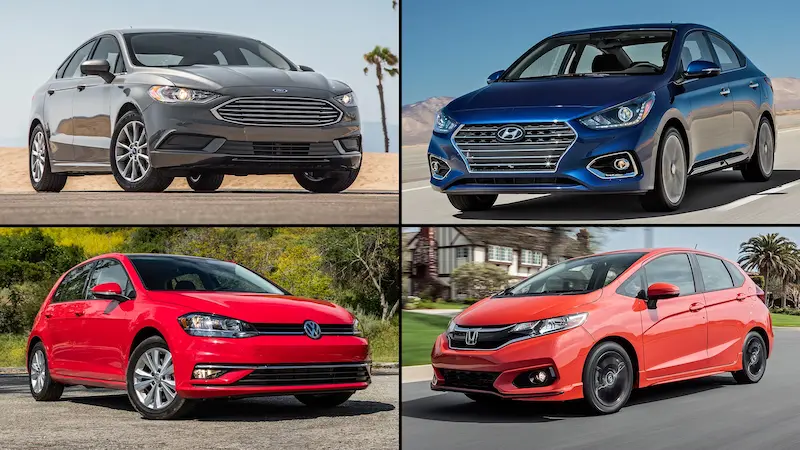
Smart Tips for Seniors to Find the Top Used Car Deals
As a senior looking to purchase a used car, you're in a unique position. With years of life experience under your belt, you have the wisdom to make informed decisions. However, the used car market can be complex and occasionally deceptive, and there are many factors to consider to ensure you get the best deal possible. This guide provides practical advice to help you navigate the used car market confidently and secure a reliable vehicle at a great price.