This guide explains how Dentalplans.com can help you compare dental coverage and plan for dental implant care, with an emphasis on low-cost pathways. It also reviews key resources for implant education, outlines step-by-step options used in English-, Spanish-, and Portuguese-speaking countries, and provides reference price ranges plus practical FAQs for informed decision-making.
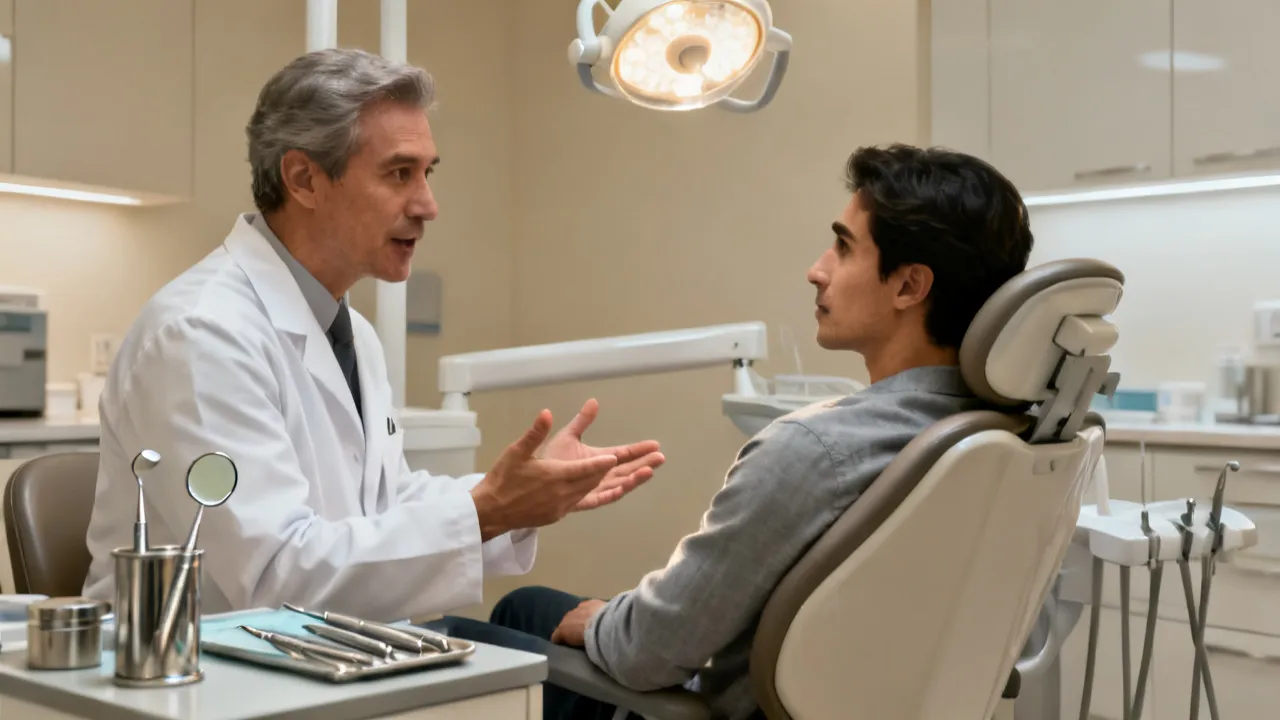
Dental implant treatment is often one of the very budget-sensitive areas of dental care, largely because it involves surgical placement, prosthetic components, and careful good follow-up. The decision is rarely “just about the implant.” In real life, your total out-of-pocket cost depends on how much preparation you need, how complex your case is, what type of restoration you choose, and how many follow-up visits and possible “adjustment steps” are required until you reach a stable, comfortable bite with healthy gums around the implant.
This article focuses on practical decision criteria for patients looking for lower-cost options—without sacrificing clinical quality—while naturally integrating Dentalplans.com as a reference point for navigating dental plans and cost planning. You’ll also find structured comparisons of information sources, a step-by-step guide for getting implants at lower cost in English-, Spanish-, and Portuguese-speaking countries, and clear reference cost ranges by country.
From an expert perspective, the central challenge is that “low cost” can mean very different things across clinics and countries. A lower quoted price may reflect different implant systems, fewer interim visits, varied prosthetic materials, or different clinical protocols. Sometimes it’s also caused by differences in what is packaged: one clinic’s quote might include imaging and temporary solutions; another clinic might exclude them. Therefore, the very reliable way to pursue affordability is to compare both price and clinical scope: evaluation requirements, implant system selection, surgical complexity, prosthetic design, timeline, and aftercare.
Finally, we’ll address common questions such as: How do you tell if a cheap plan is “safe” or if it’s simply shifting cost later? How do you avoid surprises (like needing a graft you weren’t told about)? How do you use a dental plan properly if implants aren’t fully covered? And how do you protect yourself when considering cross-border treatment (dental tourism)?
Dentalplans.com is commonly used by patients as a starting point for learning how dental plans work—particularly how coverage (or plan structures) can reduce out-of-pocket spending on services. While dental implants are not always fully covered under every plan, the value of a dental-plan marketplace approach is often in:
Objectively, dental plans generally work best as a budgeting tool rather than a guarantee of implant reimbursement. Many plans focus more heavily on preventive and basic restorative care. Implants often sit in a category that is partially covered, subject to limitations, or excluded in some plans. That doesn’t mean dental plans are useless for implant patients; it means the value comes from how you “surround” the implant procedure with covered or discounted services where possible.
Practically, the optimal strategy is to use plan information to reduce the surrounding costs—such as exams, imaging, periodontal treatment, extractions, or restorative components where allowed—and then evaluate the implant portion with transparent clinical documentation. In other words: use the plan to reduce what it can reduce, then negotiate and compare the implant/prosthetic part using a clear scope.
It can also help to think of dental-plan planning as an orchestration step. For example, if a plan requires a waiting period for certain categories, you might time periodontal therapy, cleanings, and diagnostic visits so that by the time you need the implant, you’re already eligible for the services that reduce your total spending. Even when implants themselves aren’t fully covered, patients can still reduce the total cost by optimizing the “pathway.”
When patients compare quotes for dental implants, the final number depends on several medically grounded variables. Consider these factors as “cost drivers” rather than marketing language. A quote that looks inexpensive might be missing essential items, using a different prosthetic strategy, or assuming anatomy conditions that only become clear after evaluation and imaging.
To make cost comparisons more meaningful, it helps to separate the quote into major blocks:
Below are key clinical factors that commonly influence total cost.
Even within “single implant” cases, your bite, the position of adjacent teeth, and whether the implant needs to be placed in a particular prosthetically driven position can change the complexity. That’s why it’s important to request a treatment plan that includes how the implant position was chosen and what imaging was used.
A subtle cost factor is how the prosthetic is managed after implant placement. Some low-cost quotes may include a final crown but exclude iterative adjustments, screw access restoration, polishing, or additional aesthetic refinements. You want the quote to state how many adjustment visits are typically included.
Another imaging-related cost factor is treatment planning software and design. Some clinics invest more in digital workflows (scans, virtual planning, guides) and then bundle those costs in a structured quote. Others may do fewer digital steps, affecting both price and accuracy assumptions. Either approach can be appropriate—but you want to understand the logic.
Affordable short-term pricing must be weighed against good maintenance. Implant care typically includes periodic exams and hygiene support to protect osseointegration and prevent peri-implant diseases. In practice, clinics that include structured follow-up often feel “more expensive” in quotes but can lower the likelihood of unexpected additional work.
To compare properly, ask:
In implant dentistry, “good outcomes” are not only about surgery. They depend on long-term stability of the gums and bone, plus correct bite mechanics and ongoing care.
Different websites contribute different value—some are education-focused (explaining types, processes, and cost components), while others focus on patient navigation, scheduling, insurance planning, or dental tourism. To help you evaluate information quality, the table below compares sources that discuss low-cost dental implants using a consistent dimension: what type of guidance you typically get.
| Website (Information focus) | Common patient value |
|---|---|
| dentalviews.com (low-cost implant education) | Explains implant benefits, treatment categories, and typical cost components to support pre-appointment budgeting. |
| atlanticdentalgrp.com (clinic service overview) | Shows clinic-level services (cleaning, orthodontics, implants, emergency care) and appointment access details. |
| dentavacation.com (dental tourism) | Highlights cost comparison logic and travel-related planning for patients seeking lower overall expenses abroad. |
| rockvilledentalarts.com/es (insurance-plan navigation) | Provides consumer-facing explanations about dental coverage and how implant-related decisions fit into insurance workflows. |
source: [www.dentalviews.com](www.dentalviews.com), [www.atlanticdentalgrp.com](www.atlanticdentalgrp.com), [www.dentavacation.com](www.dentavacation.com), [www.rockvilledentalarts.com](www.rockvilledentalarts.com)
Note: The information in this section is a structured rephrasing of how these sites are described and positioned for patient education and navigation. It is not a guarantee of pricing or outcomes.
To make these resources more useful, it helps to use a “role-based” thinking approach:
When you know what role each source plays, you can avoid a common trap: treating a single piece of online information as a substitute for a personalized clinical assessment.
The following figures are reference ranges for individual dental implants by country, expressed in local currency. They are useful for aligning expectations when requesting quotes, but actual pricing depends on clinical needs, implant system choice, and the specific restorative plan. Use these ranges to evaluate whether a clinic’s quote appears materially out-of-line or may be bundling different services.
It’s important to interpret these ranges carefully:
| Country | Currency | Single Implant Price Range |
|---|---|---|
| United States (US) | USD ($) | $3,000 - $6,000 |
| United Kingdom (GB) | GBP (£) | £2,000 - £2,500 |
| Australia (AU) | AUD (AU$) | AU$3,500 - AU$6,500 |
| Canada (CA) | CAD (CA$) | CA$3,000 - CA$5,500 |
| Spain (ES) | EUR (€) | €1,500 - €2,500 |
| Chile (CL) | CLP (CLP$) | CLP$800,000 - CLP$1,500,000 |
| Mexico (MX) | MXN ($) | $15,000 - $25,000 |
| Colombia (CO) | COP (COP$) | $2,000,000 - $4,000,000 |
| Peru (PE) | PEN (S/) | S/ 3,000 - S/ 6,000 |
| Argentina (AR) | ARS ($) | $80,000 - $150,000 |
| Brazil (BR) | BRL (R$) | R$3,000 - R$8,000 |
| Portugal (PT) | EUR (€) | €1,000 - €2,000 |
If you want to reduce cost, the reference ranges help you detect when a quote may be “too low because it leaves out essential components.” A well-structured low-cost pathway is usually low cost because of bundling, efficiency, and insurance/plan alignment—not because it omits critical safety or planning steps.
This section provides a practical, process-oriented roadmap that aligns with how patients typically navigate affordable implant pathways across different markets. While each clinic and country has its own norms, the steps below are broadly transferable—especially if you want to keep costs controlled through documentation, planning, and clear comparisons.
Think of this as a structured workflow rather than a single “shopping trip.” The goal is to avoid the kind of budgeting failure where you choose the lowest headline price and only later discover you need extra procedures or additional payments.
Ask yourself what you need, because “implant” may mean different things. A plan to “get an implant” could include a complex set of services or only a portion of them. Your scope should be explicit and consistent across clinics:
To keep quotes comparable, request that clinics itemize what’s included. Build your request checklist with the following categories:
A helpful budgeting habit is to write your scope in plain language, then convert it to a “clinic request.” For example: “I want a quote for one implant with a crown, including imaging, any necessary grafting in the event it is required, and all planned follow-up visits until the crown is stable.” That language pushes the clinic toward clarity.
For many patients, the very immediate value of a dental plan is reducing the cost of services around implants. Examples of supporting costs that may be partially covered depending on plan terms include:
Use Dentalplans.com as a framework: compare plans by monthly cost, network restrictions, annual maximums, and waiting periods. Then align your timeline so you complete any covered preparatory work before your implant procedure.
Here’s how to operationalize it:
In implant cases, the “supporting costs” are often what make the difference between manageable and unmanageable expenses. Even if implants are excluded, periodontal therapy or restorative work elsewhere in the mouth can be reduced.
In any country, reputable implant care starts with an evidence-based evaluation. Request documentation you can compare across clinics. While every practice may format documents differently, ask for:
Clinically, this documentation reduces cost risk because it clarifies what could change later (and why). Without documentation, a quote can look good today and become more expensive after evaluation reveals additional requirements.
To keep things practical, you can ask for a written “treatment breakdown” rather than only a verbal explanation. This is especially important when you are comparing low-cost offers across clinics.
When you compare clinics or providers, don’t compare a single number alone. Instead, compare these categories. If the categories aren’t included in the quote, you’re not comparing apples to apples:
In practice, ask for a line-by-line list. Some clinics will provide it easily; others may resist. If they won’t itemize, it’s a signal that price transparency may be limited—something that can increase your risk of later costs.
Also compare who does what. In some settings, a doctor may do surgery but a separate lab or prosthodontist may craft the restoration. You want to know what is included and how accountability works if a prosthetic adjustment is needed.
Patients often lower implant expenses through one or more of the following approaches. The ethical and clinically grounded version of “low cost” involves transparency, correct indications, and follow-up planning:
Low-cost pathways can also come from clinical alternatives. For example, in selected cases where anatomy permits, a specific type of implant approach may be more straightforward than alternatives requiring extensive grafting. However, the choice must be made based on clinical suitability, not only on price.
Many clinics and dental information websites shape their messages based on patient expectations and market norms. This section is not about clinical differences; it’s about how information tends to be presented. You can interpret it as a guide for how to navigate.
English-speaking markets often emphasize patient education about implant types and cost components. Common patient-facing materials typically highlight affordability by breaking down what’s included in a low-cost implant pathway and by explaining implant processes and frequently asked questions.
Spanish-speaking markets often provide clinic information and insurance explanations in accessible formats for Hispanic communities. Some pages emphasize continuity of care and service variety (including implant services and emergency support), while other resources focus on insurance knowledge to help patients understand how coverage fits into implant planning.
Portuguese-speaking markets commonly feature clinic offerings that include multiple specialties such as implants, aesthetics, and orthodontic services, with patient reviews used as a reassurance mechanism. Additionally, some dental plan providers in Brazil present network-based coverage approaches designed to reduce uncertainty about ongoing dental needs.
The practical takeaway: don’t rely solely on the style of presentation. Instead, use presentation as a hint about what information might or might not be missing in the quote. Then, demand the clinical details in Step 3 and Step 4.
If you’re using cross-border pathways (for example, a model similar to DentaVacation’s cost-saving concept), treat the process like a structured project. Dental tourism can be beneficial for some patients when planned well—but it also introduces uncertainty because you may not have easy access to the original provider if complications occur.
Apply stricter safeguards:
Also plan for logistics: you might need time for initial recovery, soft tissue healing, and a separate appointment for prosthetic fitting. The “cheapest total” is not always the “best total” if you can’t return easily for adjustments.
Before scheduling, ask the clinic questions that reveal whether the quote is complete. This is not confrontational—it’s evidence-based risk management. Ask:
The best low-cost providers will not fear these questions. They will respond with clarity, documentation, and a defined pathway.
Below is an objective summary of the kinds of resources and clinic approaches referenced in English-, Spanish-, and Portuguese-speaking contexts. The goal is to help you understand the “type” of support each source tends to offer when patients research affordability and implant care.
For English-speaking patients, the most useful strategy is often to use education content to build your “question list,” then bring that list to your clinic consultations.
For Spanish-speaking patients, clarity about how coverage fits into treatment timing can be especially valuable. That’s why focusing on eligible “supporting costs” matters even when implants aren’t fully covered.
For Portuguese-speaking patients, the combined clinic + plan approach can be helpful for budgeting. Still, you should always confirm the specifics of implant coverage and whether continuity of care is possible in follow-up stages.
To pursue affordability responsibly, apply an expert-style evaluation framework. The goal is not to “optimize for the lowest price,” but to minimize total risk and total cost of ownership. Total cost of ownership includes time, follow-up visits, possible remakes, and the long-term maintenance that protects implant success.
When you evaluate a provider, think in terms of four pillars: process discipline, transparency, continuity of care, and suitability. A low-cost provider that scores well across all pillars can genuinely be a good value.
Good implant care is procedural. Check whether the clinic explains:
Process discipline shows up in the details: they use proper imaging, they discuss grafting criteria, they define visit dates and what will happen at each visit, and they explain how the final restoration will be designed and fitted.
Low-cost plans should still be clear. A quote should specify what’s included: imaging, implants, abutments, crowns, grafting (if needed), and follow-up adjustments. If the quote is vague, total cost can rise later.
What “vague” looks like:
A transparent provider gives you a written breakdown. That breakdown is one of your best protections as a budget-conscious patient.
Dental implant outcomes depend on good maintenance. If you use a dental plan via Dentalplans.com, confirm whether you can maintain continuity with the same implant provider and whether follow-up care is straightforward.
Continuity matters because:
If you are considering dental tourism, continuity is even more important. Ask for a follow-up plan you can execute at home. Ideally, you want the original clinic to provide records (imaging, implant details, prosthetic prescription) that a local dentist can use if any follow-up is required.
Some approaches (for example, mini-implants in appropriate cases) may reduce invasiveness or simplify certain procedures, but they are not universally ideal. Always prioritize clinical fit, not just pricing.
Suitability is influenced by:
Marketing language tends to oversimplify. Expert evaluation ensures the plan is correct for your anatomy and risk profile.
Dentalplans.com is typically used to explore dental plan options and plan structures. Coverage for implants depends on the plan’s terms and category definitions. Many plans focus on preventive and basic restorative care, while implants may have partial coverage, exclusions, or coverage only under certain conditions. Use Dentalplans.com to compare plan rules such as waiting periods and annual maximums, then confirm implant-related benefits with the plan administrator or provider.
A useful practical approach is to treat the plan coverage as two separate questions: (1) What is covered directly under your plan for implant-related services? (2) What surrounding services can the plan reduce to lower your total cost?
Implant quotes vary due to differences in diagnostic findings, bone grafting needs, prosthetic materials and design, implant system selection, imaging protocols, and follow-up schedules. A lower quote may omit items that you later need. To compare accurately, request itemized breakdowns and a written treatment plan.
Also consider the “hidden scope” factor. Sometimes two clinics appear to quote for one implant, but one assumes a standard abutment and a standard crown, while the other anticipates a custom abutment or requires additional grafting. The quotes differ because the clinical scope differs.
“Low cost” does not automatically correlate with safety or quality. Safety depends on clinical suitability, provider experience, implant system standards, and post-operative care. The top approach is to ensure the provider’s process is evidence-based and that the quote clearly states what is included.
If you want an evidence-based way to gauge safety, focus on clinical documentation and risk management rather than on advertising. Ask about imaging used, bone graft criteria, and how complications are managed. If a provider can explain these clearly, safety is more likely to be protected.
In some cases, cross-border treatment may reduce overall costs, particularly when there’s a meaningful difference in pricing for clinical services. However, total expenses also include travel, accommodation, and risk management for complications. If you consider this route, require written inclusions, verify credentials, clarify emergency support, and plan follow-up continuity after you return home.
Dental tourism can also include a time-related cost: you may need to plan for recovery and potential return trips. If follow-up is difficult, your total cost can rise due to later adjustments or local rework.
Ask for: imaging details (including whether 3D imaging is used), a written treatment plan (including whether grafting is expected), a breakdown of the quote (implants, abutments, crowns/prosthetics, and follow-up), timeline expectations, and maintenance or aftercare instructions.
In addition, ask about the implant brand/system and the type of prosthetic design (for example, whether it’s cement-retained or screw-retained when relevant). These details can influence maintenance and long-term ease of repair.
Depending on your plan and eligibility, supporting costs may include preventive care and periodontal treatment, plus some diagnostic components. Use Dentalplans.com to understand plan benefits and align scheduling so covered services are used efficiently before implant placement.
Supporting costs also include restorative work needed to prepare your bite or adjacent tooth status. For example, if you need an extraction, a bridge adjustment, or periodontal stabilization, those steps can be part of the “total plan” cost strategy.
Choose a provider who includes structured follow-up and provides maintenance guidance. Confirm what warranty coverage exists for prosthetic components and discuss hygiene practices. Implant longevity is strongly influenced by good maintenance and peri-implant health management.
Longevity is also influenced by patient behavior. Good implants can fail if hygiene and maintenance are not done consistently. Ask about how to monitor for early warning signs of peri-implant inflammation.
Mini implants may be more affordable in selected scenarios, but they are not universally indicated. Cost depends on case complexity, prosthetic requirements, and whether additional procedures are necessary. A clinician should evaluate your anatomy and risk factors before you conclude mini implants are the top low-cost option.
In some patients, mini implants can simplify certain restorative plans. In other cases, standard implants may be a better long-term value due to more stable force distribution or better suitability for the desired restoration.
If you want a low-cost outcome, your best move is to build a plan this week rather than repeatedly calling clinics with vague questions. This week’s workflow is designed to convert your goals into a set of comparable questions and comparable quotes.
If you have time, add two extra practical steps:
Dentalplans.com and the resource links below are provided to support further reading and context:
1) The above information comes from online resources, and the data is as of October 2023. 2) Dental implant prices are for reference only and may vary by region, clinic and doctor.
Striking the Perfect Balance: Navigating Premiums and Out-of-Pocket Expenses in Senior Insurance Plans

Explore the Tranquil Bliss of Idyllic Rural Retreats

How to Make Lasting Memories at Disneyland Attractions

Affordable Phones and Plans for Seniors

Affordable Full Mouth Dental Implants Near You

Unlock the Top Kept Secrets to Finding Your Ideal Dentist for Flawless Dental Implant Results!

Discovering Springdale Estates

Unveiling RS Sul Telecom Services

The Guide to Car Trading

Affordable Full Mouth Dental Implants Near You
Discover options for affordable full mouth dental implants, including clinical trials and local dental services that offer cost-effective solutions.
Understanding Full Mouth Dental Implant Prices
Explore the costs and factors influencing full mouth dental implants for seniors and others.
Comprehensive Guide to Dental Implants
This comprehensive guide delves into the intricacies of dental implants, providing a global perspective with a special focus on Implantswiss. Dental implants, a pivotal advancement in restorative dentistry, offer solutions for missing teeth, aiding in oral health and functionality. This article navigates through cost-effective solutions, global pricing comparisons, and the role of Implantswiss in elevating dental care standards internationally.

Affordable Dental Implants Near You
Discover low-cost dental implants and quick solutions to fix your teeth with full mouth options available near you.

Understanding Dental Implant Prices and Options
Explore dental implant costs, funding, and full mouth options for a confident smile in 2025.

Affordable Dental Implants Near Me: Your Guide
Discover affordable dental implants, funding options, and fast solutions for fixing your teeth near you in 2025.
