This guide explains how Dentalplans.com can help you evaluate dental implant options, including costs, coverage considerations, and practical steps to pursue lower-cost care. It also compares information sources for low-cost dental implants across English-, Spanish-, and Portuguese-speaking markets, with country-by-country reference price ranges and expert-style FAQs.
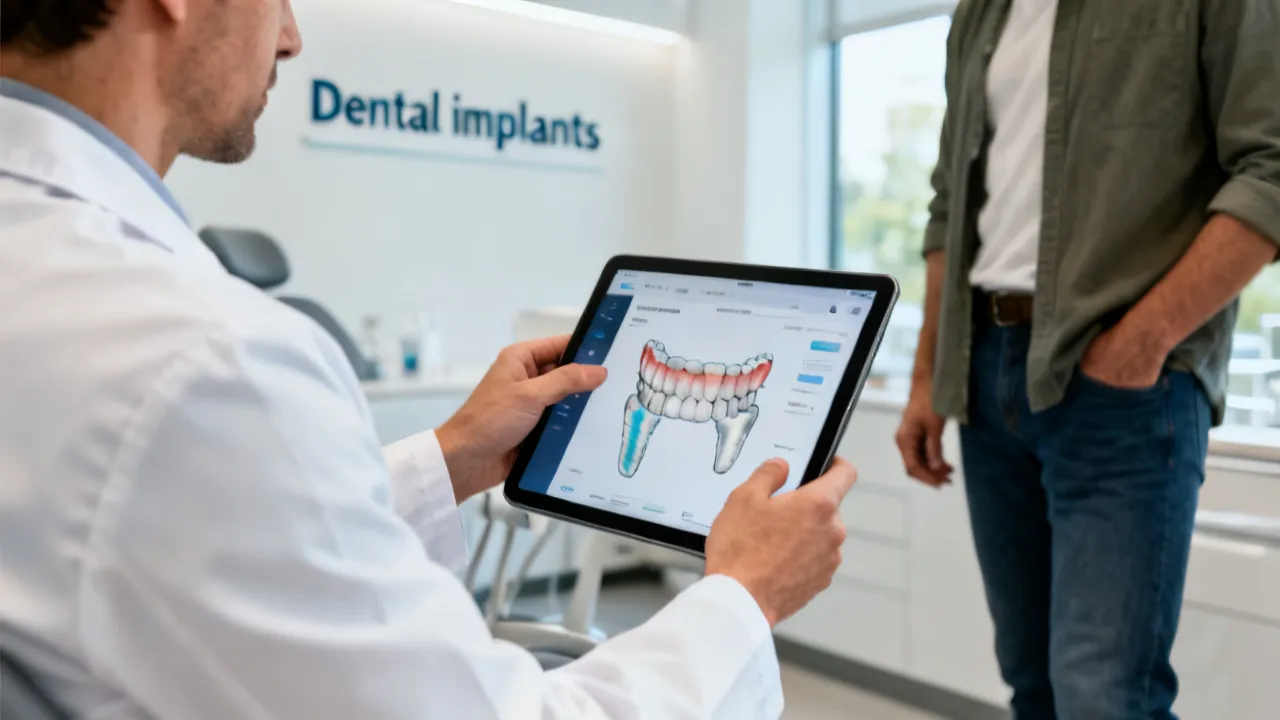
If you’re researching Dentalplans.com for possible dental coverage and want to understand low-cost dental implants realistically, start by separating three layers of decision-making: (1) coverage eligibility and plan benefits, (2) clinical suitability for implants (bone quality, health history, and exam results), and (3) total treatment cost structure (implant fixture, abutments, crowns, imaging, anesthesia, and follow-up care). This layered approach mirrors how many reputable patient-intake workflows function in English-speaking and international markets: align medical scope with budget constraints, but never compromise safety.
In practice, “low cost” may be achieved through different pathways: insurance or benefits planning, regional pricing differences, provider competition, treatment bundling, or—where appropriate—dental tourism planning. However, an expert perspective emphasizes that the lowest price is not necessarily the lowest overall risk. The right comparison should focus on transparent scope, documented treatment planning, and post-procedure support.
Finally, remember that implants are not one single transaction. They are a sequence of diagnostic steps, surgical and restorative phases, and ongoing maintenance. When people say “implant prices,” they might be referring to only the surgical part (the implant fixture), or they might be referring to the full package (surgery + crown/bridge + follow-up + warranty terms). Getting clear on that difference is what turns a vague “low-cost” promise into a meaningful decision.
People often visit Dentalplans.com when they want a structured way to compare dental insurance plans, benefits, and eligibility details. When it comes to dental implants, insurance complexity is a frequent barrier. Implants are usually considered more complex than routine examinations or basic restorations, and coverage rules can vary substantially by insurer, including waiting periods, annual maximums, benefit tiers, and exclusions for “specialty services.” A plan comparison website can reduce time spent reading multiple plan documents, but it cannot replace a clinical consultation or a personalized benefits verification.
Accordingly, the most useful way to use a plan comparison tool is as a “front-end filter.” You shortlist plans that appear compatible with your needs, then confirm coverage specifics through the insurer/provider and correlate them with the clinical plan proposed by a dental team.
To get the best outcome from plan comparison research, treat it like pre-screening rather than final approval. Ask yourself: “If my clinician recommends implant treatment, what exactly will my plan reimburse, cap, exclude, or require me to pay out-of-pocket for?” Then take the answers to your dental provider and request a treatment plan that matches what the plan covers—or, if the plan doesn’t cover implants, you can at least plan your total out-of-pocket budget and reduce surprises.
“Low-cost dental implants” is often used as a marketing phrase, but in professional practice it usually reflects one or more of the following:
From an expert viewpoint, the very important comparison is not only “price per implant,” but the complete treatment package, documentation, and guarantees or follow-up protocols. A transparent “total treatment cost” is often more meaningful than a low headline number.
To help you evaluate options, the table below compares several websites that commonly publish guidance on low-cost dental implants and related topics. This can support your research workflow, but you should still verify claims directly with clinics and insurers, especially where coverage terms and clinical specifics are concerned.
| Website (Topic Focus) | What It Typically Emphasizes | Top For Researching |
|---|---|---|
| Dental Views (low-cost implant guidance) | Cost considerations, implant benefits, and common FAQs | Understanding what affects overall implant pricing |
| Atlantic Dental Group (clinic service scope) | Service breadth (cleaning, orthodontics, implants, emergency care) | Seeing how a general clinic structures implant care |
| DentaVacation (dental tourism) | International care planning and cost comparisons | Assessing whether travel-based pathways fit your priorities |
| ADHP / American Dental Health Plans (insurance planning) | Dental insurance enrollment and how coverage may apply | Translating plan benefits into potential implant affordability |
| Rockville Dental Arts (Spanish-language clinic info) | Implants, whitening, cleanings, and emergency dental care in Spanish | Finding a clinic’s services and approach for Spanish-speaking patients |
| Union City Mini Dental Implants (mini-implant focus) | Specialization in mini dental implants | Learning about a narrower option and whether it may apply |
| Cigna (implant education) | Explainers that help patients understand implants and considerations | Building basic knowledge before requesting quotes |
Important research mindset: Treat any website—whether a clinic site, a tourism resource, or an insurance explainer—as guidance. Your final decision should be based on (a) a personalized clinical assessment and (b) written benefits confirmation or transparent pricing documentation.
source: www.dentalviews.com
source: www.atlanticdentalgrp.com
source: www.dentavacation.com
source: www.rockvilledentalarts.com/es/
source: www.cigna.com/es-us/knowledge-center/guide-to-dental-implants
source: www.unioncityminidentalimplants.com/es/
Below is a detailed, practical approach tailored for English-, Spanish-, and Portuguese-speaking contexts. The clinical reality is universal, but the workflow can differ based on language access, typical insurance structures, and whether patients explore international care pathways.
Even if you’re bilingual or comfortable navigating different markets online, it helps to standardize your process. When you ask the same questions to multiple clinics and compare them “like-for-like,” you reduce the risk of being misled by incomplete quotes.
Start with an exam that includes relevant imaging (often panoramic radiographs and/or CBCT scans) and a treatment plan that details whether you need:
Why this matters for low cost: a “low price” quote that skips bone assessment can later expand into additional procedures. That’s the most common reason patients discover their out-of-pocket costs increased after choosing a cheaper option.
Clinical suitability is also not only about “can an implant be placed?” It’s also about whether the implant can be placed in a way that supports long-term function. That means considering:
Where applicable, use Dentalplans.com (or similar benefit-navigation tools) to understand which plan types might reduce out-of-pocket spending for eligible dental services. Then ask the insurer/plan for a written confirmation (or at least a formal benefits summary) that clarifies:
A practical tip: ask for plan details in the language you’re most comfortable reading, and ask for a document you can keep. Phone calls can be helpful, but written documentation reduces misunderstanding if you later need to submit a claim.
In many real-world scenarios, patients discover that insurance might not cover the implant fixture fully, but it may cover the crown, the exam, or certain diagnostic codes. This can still reduce cost, but you should plan your expectations.
When you request quotes in English-, Spanish-, or Portuguese-speaking markets, ask for an itemized breakdown. A credible clinic can typically explain what each component includes. For example:
Why itemization is crucial for “low cost”: if the quote is not itemized, you can’t confirm which steps are included. Some “cheap implant” advertisements are essentially “fixture-only pricing.” You need to know the full package and what’s not included.
If the clinic can’t provide itemized pricing before treatment begins, ask what you can receive in writing after imaging and consultation. A responsible clinic usually can explain the phases and approximate fees even if the final prosthetic pricing depends on lab selection.
If you’re comparing standard implants versus mini implants, ensure the quote corresponds to your anatomy and functional demands. Some specialized clinics focus on mini-implant approaches; these can be cost-effective when suitable. When not suitable, the “cheap option” can be clinically inappropriate.
When comparing, also confirm:
One “low-cost” pitfall is when one quote assumes an all-inclusive warranty and another quote includes exclusions for repairs. The difference between a strong warranty and a limited policy can be significant if anything goes wrong.
Dental fees can vary due to cost of living, regulatory differences, and clinic business model. If you’re in an English-speaking market like the United States or Canada, you may find wide differences between major metropolitan areas and smaller regions. Similarly, Spanish-speaking and Portuguese-speaking markets may differ between urban centers and surrounding areas.
Professional caution: price should not override clinical credentials. Verify licensure, implant training, and case experience. If possible, ask how many similar cases the clinician has placed in the last year and whether they can share before/after examples (while respecting privacy and consent).
Also consider whether you’re comparing “clinic types.” A specialty oral surgery/implant center may price differently than a general dental practice that partners with a lab and/or an external implant specialist. Either can be legitimate; just make sure your comparison is based on scope and outcomes, not just the headline number.
Some patients reduce cost by coordinating treatment across borders, often via structured programs. In dental tourism contexts—commonly promoted in English-language sources—patients may compare clinic packages and travel arrangements. If you pursue this route, plan for:
For international care, ask whether the clinic provides a “patient packet” that includes imaging copies, implant serial numbers (if available), prosthetic prescriptions, and a written summary of what was done. Without documentation, your local dentist may struggle to provide continuity care.
When comparing a tourist package “bundle,” make sure you know whether it includes the restoration (crown/bridge), temporary teeth if needed, and post-op re-check visits. Also clarify whether the package includes multiple rounds of adjustment if the bite or fit needs refinement.
Safety-first principle: low cost should never mean low clarity. If a clinic cannot clearly explain their protocol and warranty terms in writing, treat that as a red flag.
Implants often involve multiple appointments. Low-cost decisions should include not only the implant placement cost but also post-placement restoration and ongoing monitoring. Create a “total care budget” rather than focusing on a single appointment quote.
To make budgeting easier, many patients build three buckets:
When insurance is involved, also budget based on how often the plan reimburses and whether reimbursement is tied to specific codes that your clinic must submit correctly.
For affordability to last, consider the maintenance plan: regular checkups, cleaning, and periodontal stability. From an expert perspective, implant success rates depend significantly on oral hygiene and follow-up maintenance.
Preventive care isn’t only about brushing. Consider asking your dental team about:
If you want the “low-cost” decision to remain low-cost long-term, treat maintenance as part of the purchase—not an afterthought.
The following table provides reference price ranges for individual dental implants only in selected languages/markets. Actual costs vary by case complexity, whether additional procedures (bone grafting, extractions) are needed, and the specific clinic’s pricing model.
Important note: These ranges are specifically described as “single implant only.” In real treatment plans, your final price usually includes the abutment and crown (or equivalent prosthesis), plus imaging, anesthesia, and follow-up.
| Country | Currency | Price Range (Single Implant Only) |
|---|---|---|
| United States | USD | $3,000 - $6,000 |
| United Kingdom | GBP | £2,000 - £2,500 |
| Australia | AUD | AU$3,500 - AU$6,500 |
| Canada | CAD | CA$3,000 - CA$5,500 |
| Spain | EUR | €1,500 - €2,500 |
| Chile | CLP | CLP$800,000 - CLP$1,500,000 |
| Mexico | MXN | $15,000 - $25,000 |
| Colombia | COP | $2,000,000 - $4,000,000 |
| Peru | PEN | S/ 3,000 - S/ 6,000 |
| Argentina | ARS | $80,000 - $150,000 |
| Brazil | BRL | R$3,000 - R$8,000 |
| Portugal | EUR | €1,000 - €2,000 |
If you’re trying to compare across countries, be careful: currency conversion alone won’t tell the full story. Differences in taxes, lab costs, anesthesia standards, prosthetic material options, and follow-up protocols can outweigh a simple currency-rate comparison.
Also, many patients require more than one implant. A “single implant” reference range doesn’t reflect full arch rehabilitation, multiple implants, implant overdentures, or implant + bridge solutions. Those treatments can have different pricing structures and discount patterns.
Even when single-implant reference ranges are useful for budgeting, clinical reality often adds cost factors. Industry guidance commonly highlights that total implant treatment includes:
Therefore, when you compare quotes, ask whether the quoted range refers to implant fixture alone or includes the full prosthetic component. Many consumer-level misunderstandings start here, especially when comparing a clinic’s advertised number with a clinician’s final treatment plan.
To make the “fixture vs full restoration” distinction easy, ask these questions in plain language:
When you ask these, you’re not being difficult—you’re ensuring your budget reflects reality.
Language access can change the speed and quality of patient decision-making. In Spanish-language settings, clinics offering multilingual or Spanish-specific service pages may make implant education and scheduling clearer for Spanish-speaking patients. Similarly, Portuguese-speaking markets may involve plan providers and clinics that serve large communities, with communication that can be a decisive factor when patients compare options or clarify eligibility.
In English-speaking markets, dental insurance navigation and dental tourism planning resources often appear in research funnels. Insurance education portals and plan-focused resources tend to emphasize how benefits interact with major restorative or specialty services. Even if you’re comfortable reading, language localization can reduce misunderstanding in benefit rules and consent forms.
Practical tip: if you’re searching in Spanish or Portuguese, look for clinics and insurance resources that provide complete coverage explanations, not just marketing. Phrases like “consulta,” “diagnóstico,” “periodo de espera,” “cobertura,” “máximo anual,” and “exclusiones” (for Spanish), or the Portuguese equivalents, are key to understanding whether the plan truly helps with implants or only with some related services.
Dental plans typically vary on whether implant-related procedures are covered. Some insurance structures may treat implants as a specialty benefit with restrictions. Others may cover specific restorations (such as crowns) but not the implant fixture itself. Because of these differences, best practice is to verify coverage details directly using a treatment code estimate and the insurer’s benefit rules.
As you explore plan options through comparison tools like Dentalplans.com, ask targeted questions before you schedule the implant consult. This prevents the common scenario where a patient chooses a clinic based on an attractive insurance assumption rather than confirmed benefits.
What to ask insurance before you commit often includes:
Then take the answers to your dentist. Your dentist can align the proposed plan with coverage (for example, prioritizing certain restorative components that are covered) and provide a more accurate total out-of-pocket estimate.
For your research workflow, consider these themes drawn from credible clinic and education sources across English-, Spanish-, and Portuguese-speaking contexts:
Use these resources to understand how others explain implant care and cost structure, but still confirm details with your specific clinician and insurer.
Typically, a plan comparison site does not “cover” clinical treatment by itself. Instead, it helps you compare dental insurance or dental plan options and understand potential eligibility for services. Whether implants are covered depends on the specific plan’s benefit rules. Use the platform to shortlist plans, then confirm coverage details with the insurer or plan administrator using the implant treatment components.
A helpful practice is to ask your dentist to provide the procedure codes or a written estimate that includes the services you’ll likely need. Then you can ask the insurer how each code is handled. This approach is more reliable than asking a general “do you cover implants?” question.
Not necessarily. Low cost can arise from competitive pricing, different clinic overhead, or carefully selected treatment pathways. Safety depends on clinical suitability, provider competence, treatment planning, and follow-up. A low price with incomplete diagnostics or unclear scope can increase risk—so require itemized quotes and evidence of competency.
Safety considerations are not limited to the implant placement itself. They include:
If any part of that chain is missing, “low cost” might be masking higher risk.
It varies. Some quotes may include only the implant fixture, while others may include abutments and a crown/bridge. Ask for an itemized breakdown covering imaging, surgery, prosthetic restoration, and follow-up care. If bone grafting or extractions are needed, those costs must be clearly stated.
If the quote is confusing, ask the clinic to rewrite it as “Phase 1 / Phase 2” so you can map your payments to each step. Many patients find this reduces surprise costs and makes financing easier.
Request like-for-like treatment plans based on the same clinical requirements. Ideally, obtain comparable diagnostic results (imaging and exam findings). Then compare total treatment scope (including prosthetics and follow-up), not only the implant fixture fee. Warranty and complication-repair policies also matter.
It’s also wise to compare who manages complications. A cheaper clinic might not provide extensive follow-up adjustment if the restoration doesn’t fit perfectly. Ask what support is included and for how long.
Sometimes, but it depends on the insurer and plan design. Many plans have restrictions or may cover certain restorative components rather than the implant fixture. Verification is essential: ask how implants are categorized in the plan, whether there are waiting periods, annual maximum limitations, and any documentation requirements.
Also ask about claim timing. Some plans pay per treatment date or require specific documentation. If your implant timeline spans months, confirm how claims are submitted for each stage.
It can be cost-reducing for some patients, but it requires careful planning and follow-up. Consider the total cost including travel, accommodation during healing, and the availability of postoperative care. Ensure you receive complete records and know who manages complications if they occur after you return home.
Dental tourism can work best when the restoration process is still completed within a planned travel window and when the provider can offer structured post-travel follow-up. It’s less reliable when timing is uncertain or when you return home without documentation.
If you choose this option, treat it like a project plan: set milestones (diagnostic clearance, implant surgery, provisional or final restoration timing), and assign responsibility for each milestone.
Common add-ons include bone grafting, periodontal treatment, extractions, and extended follow-up visits if healing requires more time. Your clinician should explain these possibilities during the consult and reflect them in the itemized quote.
Sometimes the need for additional procedures becomes clear after imaging and exam. In that case, ask the clinic to provide “range pricing” (for example, bone graft cost range depending on complexity) rather than vague statements.
Mini implants can be appropriate for certain cases, but suitability depends on anatomy and functional requirements. Specialized clinics focusing on mini-implant approaches may be valuable if you fit their selection criteria. Otherwise, attempting a mini-implant plan to reduce cost can lead to less predictable outcomes.
When considering mini implants, ask:
Again, the question is not whether mini implants are “good” in general—it’s whether they match your clinical situation.
Ask clinics about financing plans, installment options, and what happens to your deposit if treatment needs to change after imaging. Also inquire whether the clinic provides surgical-stage and restoration-stage pricing clearly, so you can plan cash flow across the timeline.
In addition, ask if financing terms include interest, what the repayment schedule is, and whether early completion offers any reductions. If you’re using a credit card or loan, know the total cost of financing so you can compare it fairly to lower upfront pricing.
Maintain oral hygiene and follow professional maintenance schedules. Implant longevity is closely linked to gum health, plaque control, and monitoring. If you smoke or have systemic conditions, work with your dental team to manage risk factors.
It can also help to adopt “implant-aware” habits:
Using Dentalplans.com can be a helpful research step for identifying possible plan options, especially when your goal is to reduce out-of-pocket spending for complex dental needs. But the best outcome comes from combining benefits analysis with clinical suitability and transparent, itemized quotes. In any language market—English-, Spanish-, or Portuguese-speaking—patients benefit from the same disciplined approach: confirm eligibility, validate clinical indications, compare like-for-like treatment scope, and budget for the entire timeline rather than only the implant fixture.
Low-cost choices are most sustainable when they are tied to clarity—clear diagnostics, clear phases, clear costs, and clear follow-up support. When those elements exist, patients can make better decisions that protect both their finances and their long-term oral health.
1) The above information comes from online resources, and the data is as of October 2023. 2) Dental implant prices are for reference only and may vary by region, clinic and doctor.
[Dentalplans.com (keyword reference)]: No direct URL was provided in the prompt for Dentalplans.com.
1) https://dentalviews.com/low-cost-dental-implants/
2) https://www.atlanticdentalgrp.com/
3) https://www.dentavacation.com/
4) https://rockvilledentalarts.com/es/
5) https://www.cigna.com/es-us/knowledge-center/guide-to-dental-implants
6) https://unioncityminidentalimplants.com/es/
7) https://www.rubiodonto.com.br/
8) https://odontologiavelasco.com.br/
9) https://dentalvidas.com.br/
Striking the Perfect Balance: Navigating Premiums and Out-of-Pocket Expenses in Senior Insurance Plans

Explore the Tranquil Bliss of Idyllic Rural Retreats

How to Make Lasting Memories at Disneyland Attractions

Affordable Phones and Plans for Seniors

Affordable Full Mouth Dental Implants Near You

Unlock the Top Kept Secrets to Finding Your Ideal Dentist for Flawless Dental Implant Results!

Discovering Springdale Estates

Unveiling RS Sul Telecom Services

The Guide to Car Trading

Affordable Full Mouth Dental Implants Near You
Discover options for affordable full mouth dental implants, including clinical trials and local dental services that offer cost-effective solutions.
Understanding Full Mouth Dental Implant Prices
Explore the costs and factors influencing full mouth dental implants for seniors and others.
Comprehensive Guide to Dental Implants
This comprehensive guide delves into the intricacies of dental implants, providing a global perspective with a special focus on Implantswiss. Dental implants, a pivotal advancement in restorative dentistry, offer solutions for missing teeth, aiding in oral health and functionality. This article navigates through cost-effective solutions, global pricing comparisons, and the role of Implantswiss in elevating dental care standards internationally.

Affordable Dental Implants Near You
Discover low-cost dental implants and quick solutions to fix your teeth with full mouth options available near you.

Understanding Dental Implant Prices and Options
Explore dental implant costs, funding, and full mouth options for a confident smile in 2025.

Affordable Dental Implants Near Me: Your Guide
Discover affordable dental implants, funding options, and fast solutions for fixing your teeth near you in 2025.
