This guide explains how Dentalplans.com and other reputable resources can help you evaluate low-cost dental implant options in English-speaking, Spanish-speaking, and Portuguese-speaking communities. It covers what implants cost in reference ranges, how to compare clinics and insurance-style plans, step-by-step pathways to reduce out-of-pocket spending, and practical FAQs—while emphasizing clinical suitability, safety, and transparent planning.
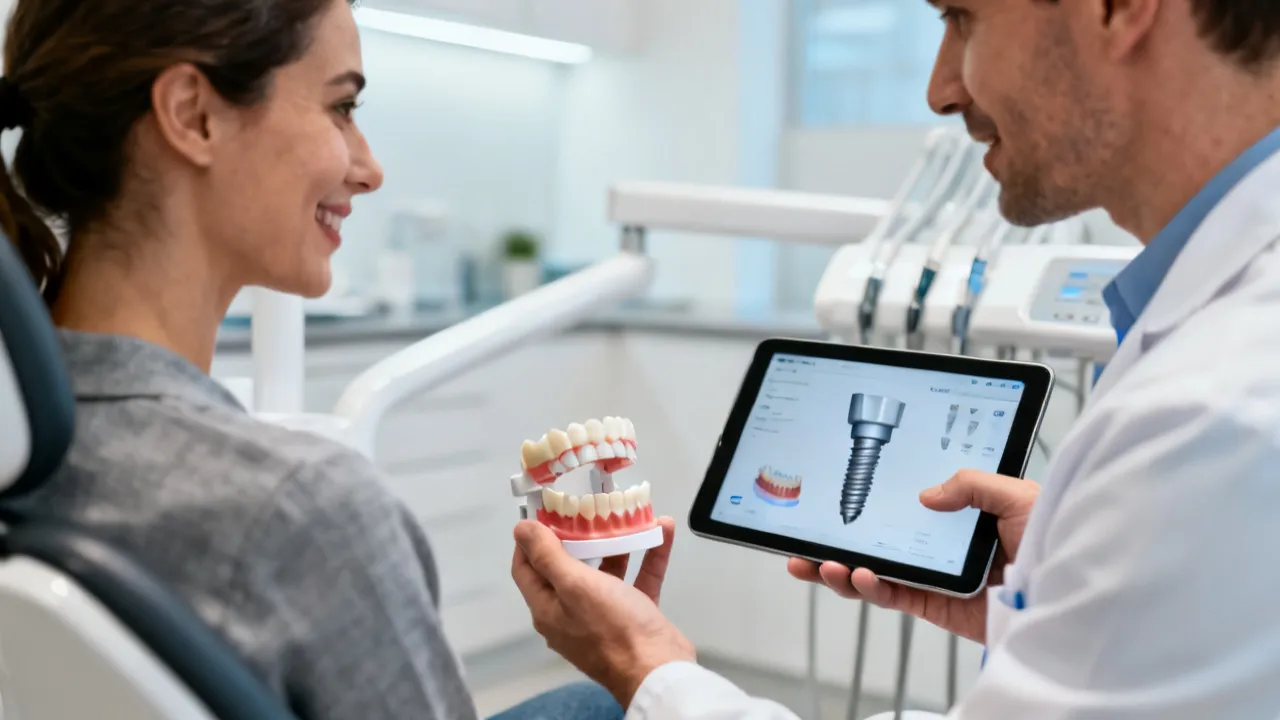
If you are searching for low-cost dental implants and you have come across Dentalplans.com, your primary goal should be clear: reduce out-of-pocket expense without compromising clinical suitability. In practice, “low cost” can come from different mechanisms—treatment-plan design, coverage through dental insurance or benefits networks, competitive pricing structures, or carefully selected dental tourism pathways—yet each route must still meet the same clinical standards for implant safety, bone support, infection control, and good maintenance.
For many patients, the very useful next step is to combine three inputs:
Once these are aligned, “affordable” becomes a managed decision rather than a guess. The biggest mistake patients make is assuming that a lower headline price automatically means a better value. With implants, value depends on the entire sequence of care, not just the implant fixture line item.
Also, it helps to think in terms of “total cost of ownership,” including aftercare. Implants can last many years when maintenance is consistent, but they still require ongoing evaluation of gum health, prosthetic fit, and hygiene effectiveness. If your low-cost plan underestimates ongoing costs, it can create friction later—both medically and financially.
Dental implant outcomes depend on biology and technique. The implant is only one component of a larger restorative sequence. That is why two people with the same missing tooth may receive different treatment plans—leading to different costs. When patients search for low-cost solutions, they are often comparing:
As you evaluate options, use “low cost” as a starting point, then verify clinical details through documented assessments: imaging (commonly CBCT or equivalent), periodontal status, and a written plan describing every billed element. If there is no written plan, or if the quote is vague (e.g., “implant package” without specifying the abutment, crown material/type, or number of visits), you should treat that as a red flag for hidden variability.
Another reason “low-cost” varies is that implants behave differently in different patients. Implant success is not only about placing a fixture—it’s about achieving stable positioning in bone, selecting the right restorative components for long-term function, and setting up the bite so the implant isn’t overloaded. If a plan looks cheaper but does not show how it addresses occlusion and load management, you may be comparing incomplete treatments.
Even “same” implant systems can result in different costs when the prosthetic outcome changes. A crown on one implant can involve one set of components; a crown on multiple implants with a bar or a more complex prosthesis often involves different materials, more lab work, and potentially more appointments for fit verification.
Although Dentalplans.com is not a dental clinic offering procedures directly, it can be relevant in the wider workflow because many patients use aggregator-style platforms to locate plans or coverage types that may reduce out-of-pocket spending. In the dental benefits context, lower costs usually come from:
From an expert perspective, the key is to treat plan browsing as administrative preparation, not as a clinical substitute. Always cross-check the planned procedure sequence and confirm whether the plan covers the relevant restorative components and any preparatory therapies. For example, some benefits may reduce the cost of exams and diagnostics but cover implants less generously, while others may provide partial coverage for crown components or preventive periodontal therapy.
It’s also worth understanding that benefit structures differ. Some plans are closer to discount/participating-provider models, while others behave more like insurance with eligibility rules, waiting periods, annual maximums, or pre-authorization requirements. The practical implication is that two patients with “the same plan name” in casual conversation may experience different out-of-pocket totals depending on their specific eligibility date, plan limitations, and the provider’s participation terms.
Therefore, if you are using Dentalplans.com as a starting point, your next step is to convert “plan information” into “clinical quote alignment.” In other words: match your dental plan coverage details to a line-item quote from a clinic so you can see which parts of the procedure will be billed under the plan and which parts remain out-of-pocket.
Patients often discover “low-cost” information by comparing clinic pages, dental tourism portals, and insurance/benefits education materials. To ground your research in practical, patient-facing content, you can review resources such as:
These resources illustrate how affordability strategies differ across patient communities. Some emphasize procedure cost transparency; others emphasize insurance-style education; others emphasize tourism logistics or specialty implant approaches. If you read broadly, you can detect common themes—such as the importance of diagnostics, the staged nature of many treatments, and the role of prosthetic planning—while also recognizing that each site may focus on a particular angle (plan education versus clinic pathway versus travel coordination).
When you use these resources, treat them as frameworks rather than final answers. A low-cost message should always be supported by clinical criteria: bone volume/quality, infection risk, occlusion and loading forces, and the planned prosthetic restoration. In many real-world cases, the “best value” solution may not be the lowest price—rather, it is the solution that most accurately matches your clinical needs with a predictable outcome and manageable aftercare.
Below is a practical comparison of websites that provide information relevant to low-cost dental implants. The goal is not to rank providers, but to help you recognize what type of information each source emphasizes.
| Website | Primary information angle |
|---|---|
| Dentalviews.com | Patient education on low-cost implants, benefits, treatment types, and typical cost considerations |
| Atlanticdentalgrp.com | Clinic service overview, including implants and appointment guidance (useful for understanding a care pathway) |
| Dentavacation.com | Dental tourism coordination focus, including cost comparison framing and travel-related planning |
| Rockvilledentalarts.com/es (ADHP-linked context) | Benefits/coverage education style content for patients seeking plan-based cost reduction |
| Unioncityminidentalimplants.com/es | Mini dental implant specialty messaging and suitability framing |
| Cigna.com/es-us | Insurance-education perspective on what implants involve and how patients can prepare |
source: www.dentalviews.com, www.atlanticdentalgrp.com, www.dentavacation.com, www.rockvilledentalarts.com/es, www.unioncityminidentalimplants.com/es, www.cigna.com/es-us/knowledge-center/guide-to-dental-implants
Pricing varies widely due to clinical complexity, implant system selection, local market conditions, and prosthetic requirements. The following figures are reference ranges for individual implant scenarios (not including every possible preparatory or restorative component in every case). Use them to calibrate expectations and compare itemized quotes.
Important nuance: these ranges are best used for “calibration,” not as a definitive quote. A quote that sits at the low end may still be appropriate if your anatomy is straightforward, bone volume is adequate, and the prosthetic plan is simple. Conversely, a quote above these ranges may still represent good value if it includes advanced diagnostics, bone grafting, a more complex prosthetic, and a thorough follow-up and warranty structure.
Another nuance is how clinics define what “per implant” includes. Some clinics state “per implant” but their package may not include the crown/abutment (or may include a lower-spec prosthetic that you later upgrade). A responsible approach is to ask for a full itemized sequence that shows the implant, abutment, crown/prosthesis type, imaging, and number of visits.
| Country | Currency | Price range (per implant, reference) |
|---|---|---|
| United States (US) | USD ($) | $3,000 - $6,000 |
| United Kingdom (GB) | GBP (£) | £2,000 - £2,500 |
| Australia (AU) | AUD (AU$) | AU$3,500 - AU$6,500 |
| Canada (CA) | CAD (CA$) | CA$3,000 - CA$5,500 |
| Spain (ES) | EUR (€) | €1,500 - €2,500 |
| Chile (CL) | CLP (CLP$) | CLP$800,000 - CLP$1,500,000 |
| Mexico (MX) | MXN ($) | $15,000 - $25,000 |
| Colombia (CO) | COP (COP$) | $2,000,000 - $4,000,000 |
| Peru (PE) | PEN (S/) | S/ 3,000 - S/ 6,000 |
| Argentina (AR) | ARS ($) | $80,000 - $150,000 |
| Brazil (BR) | BRL (R$) | R$3,000 - R$8,000 |
| Portugal (PT) | EUR (€) | €1,000 - €2,000 |
| Germany (DE) | EUR (€) | €2,000 - €3,500 |
| France (FR) | EUR (€) | €1,500 - €2,500 |
| Italy (IT) | EUR (€) | €1,500 - €3,000 |
| Japan (JP) | JPY (¥) | ¥300,000 - ¥700,000 |
To operationalize “low cost” responsibly, follow a structured path. This approach works across English-speaking, Spanish-speaking, and Portuguese-speaking communities while respecting local preferences for communication, payment planning, and care coordination.
Many patients only ask “How much for the implant?” but the more important early question is “What do my diagnostics show, and what does that mean for my treatment plan?” When you know whether you need bone grafting, extractions, periodontal therapy, or staged placement, the low-cost discussion becomes realistic rather than speculative.
Itemization is one of the best ways to avoid budgeting mistakes. If two quotes include different scopes—such as different crown materials (e.g., zirconia vs. other materials), different implant platform types, or different warranty structures—then “low cost” comparisons become meaningless unless you reconcile the differences.
In practice, affordability strategies can include:
When comparing strategies, separate “cost reduction method” from “clinical adequacy.” For example, mini implants may be offered as a cheaper path, but if your case anatomy or functional loads require standard implants and proper bone support, choosing mini implants could increase the chance of complications and ultimately raise total cost.
Similarly, dental tourism may reduce headline costs, but only if follow-up continuity is planned. If you return to your home region and have to start over with imaging, prosthetic remakes, or surgeon re-evaluation, the “saved money” can shrink quickly.
Communication affects consent and adherence. If a patient understands the staged timeline and the importance of hygiene and maintenance, they are more likely to keep appointments and reduce preventable complications. That adherence can be a major driver of “affordable success,” because complications often produce expensive remediation.
Financing can make treatment easier to start, but it should not prevent you from asking the technical questions. A “monthly payment” that feels affordable may still be expensive if the treatment plan is incomplete or if you later discover you need substantial extra work.
Dental tourism can sometimes lower costs, but safety depends on pre- and post-procedure continuity. If you consider this route (as suggested by tourism-focused resources), plan for:
It’s also important to think about logistics for the healing phase. Some patients may feel “done” immediately after implant placement, but healing requires stable tissue conditions and careful monitoring. If the follow-up visits are not arranged, small issues can become larger problems.
Aftercare also includes education: how to brush around the implant, which interdental tools to use, whether a water flosser is appropriate for your situation, and what symptoms should trigger earlier contact (bleeding, swelling, unusual pain, looseness sensation, or persistent bad taste).
Because your question spans multiple language communities, it helps to understand typical decision patterns rather than assuming a single pricing model.
Patients frequently look for plan-based options and provider networks. In the United States, for example, benefit structures can shape affordability—particularly when someone searches for “dental plans” alongside clinic quotes. In the UK and Canada, patients often compare private clinic pricing and insurance-style arrangements, then validate clinical eligibility with formal diagnostics.
For Australian patients, accessibility and total treatment time can matter as much as the headline price. Even a lower implant quote can become more expensive if multiple additional appointments are required due to bone restoration or prosthetic adjustments. In many regions, patients also consider travel distances to specialty clinics, the time off work for multiple visits, and the availability of maintenance appointments when needed.
In English-speaking systems, documentation is often more formal: written estimates, treatment plans, pre-authorization forms (in some insurance structures), and standardized consent processes. These can be advantages for patients because they support clarity on what is included and what is not.
Spanish-language clinic pages and education materials are particularly important for informed consent and understanding staged treatment. Clinics that provide comprehensive services (including implants, cleaning, orthodontics, and emergency care) tend to reduce the “handoff” problem—patients do not need to locate separate specialists for every stage.
In specialty areas, mini dental implant offerings may be presented to certain patients based on space and bone conditions. The responsible question remains: does the anatomy support predictable outcomes for the proposed implant type and loading timeline? Patients should also ask about how the clinic defines success and how they plan to manage peri-implant inflammation long-term.
In insurance-education style resources (for instance, guides published by major health insurers), the emphasis is often on understanding the treatment journey and what questions to ask before agreeing to a plan. This is an important “soft cost” reducer because better preparation can prevent costly changes after treatment begins.
Another local pattern is that some clinics may emphasize bundled care paths, where initial consultation, diagnostic imaging, and preliminary treatments are grouped. This can reduce friction and travel, which indirectly lowers cost even if the implant itself is not the cheapest possible price.
In Brazil and Portugal, patients commonly evaluate clinic services alongside dental plan options and network structures. Clinic pages that list implants among their core services often help patients map the pathway: consultation, diagnostics, placement, prosthetic restoration, and maintenance. Plan-oriented providers can also reduce uncertainty about budgeting.
For Portuguese-speaking communities, clarity on payment structure and scheduling is critical. Dental implant treatment is multi-step; when appointments are coordinated early, patients can avoid repeated travel or delayed surgery—both of which can raise effective costs.
Some Portuguese-speaking regions may also have different norms around financing, including installment arrangements tied to clinic billing cycles. As with any context, confirm whether installment structures change total cost, and whether they interact with plan coverage.
Whether you start from Dentalplans.com, a clinic page, or an educational insurance guide, use this checklist to protect clinical quality while pursuing affordability:
By asking these questions, you move from “price-shopping” to “plan-shopping.” Low cost is legitimate when it is built on transparent scopes, appropriate diagnostics, and predictable follow-up—not on shortcuts that omit necessary stages.
From an industry-expert perspective, low-cost comparisons often fail due to mismatch in scope. Common pitfalls include:
A responsible approach is to request a “treatment sequence estimate” that describes the number of appointments and the likely stages in chronological order. If one clinic presents a staged timeline while another provides only an implant price, the latter may be incomplete even if it appears cheaper.
Another budgeting mistake is not accounting for what happens if you change your mind. For example, you may get imaging, start the process, and then decide between immediate placement vs. staged placement. A “low cost” estimate that assumes one route may not reflect the cost of switching to a different route after diagnostics.
Finally, patients sometimes compare quotes that use different materials or different prosthetic designs without realizing it. Two crowns can have different fabrication complexity, different materials, different aesthetics requirements, and different warranty terms. If those differences aren’t documented, you might pay more later if you want upgrades or remakes.
Not in the strict sense of guaranteeing a single clinical fee. Platforms like Dentalplans.com typically help users evaluate plan or benefits options and identify potential network pricing. Your final cost depends on your eligibility, the provider you choose, and the specifics of your required restorative components. Always request an itemized quote after eligibility and diagnostics are confirmed.
If you want to use a plan effectively, consider asking two questions: (1) what does the plan reduce (exam, imaging, crowns, restorative components, or treatment overall), and (2) whether your chosen clinic is participating and will submit claims in the way you expect. The answers determine your real out-of-pocket amount.
Implant cost variation often reflects differences in bone condition, the need for grafting, prosthetic design, number of visits, implant system selection, and warranty/aftercare terms. Even when the headline implant type is similar, the restorative plan can change significantly based on clinical findings.
Also, “same implant” may mean different things in practice. Some clinics may choose different abutment types based on positioning, and those abutment choices can affect crown cost and fit. Differences in lab work and prosthetic materials can also change price substantially.
Safety depends on clinical suitability and quality of care—not solely on price. A low-cost approach is safest when it includes appropriate diagnostics, sterile surgical protocols, correct implant sizing and positioning, and a prosthetic plan designed for good function.
In general, the safest low-cost option is the one where cost reductions occur through administrative efficiency, negotiated pricing, and transparent selection—not through skipping needed stages, reducing diagnostic rigor, or using inappropriate materials for your case.
Ask specifically what the warranty covers (implant placement follow-ups vs. prosthesis components), for how long, and what conditions apply. Also ask about who pays for remakes or adjustments if materials require replacement due to fit, occlusion changes, or technical issues.
It’s useful to ask whether warranties cover both the surgical phase and the restorative/prosthetic phase. Many patient surprises happen because they assumed “implant warranty” includes the crown remakes, or because they assumed warranty terms match the appointment schedule.
In some Spanish-speaking specialty clinic contexts, mini implants may be presented for patients who meet certain anatomic criteria. However, affordability should be secondary to suitability. Mini implants may not be appropriate for every case, and good planning requires careful evaluation of bone support and loading forces.
If mini implants are proposed, ask: what is the rationale for choosing them, what are the success predictors for your anatomy, and what restoration design is planned to manage occlusion. If you don’t receive clear answers, you may want a second opinion.
Dental tourism can change travel and scheduling costs and may influence follow-up care availability. If you pursue it, plan for complete documentation sharing, realistic timelines, and a structured post-treatment follow-up approach in your home region.
Also clarify what costs are included in the package from a travel clinic: are temporary teeth included, are post-op medications included, are prosthetic remakes included if fit is imperfect, and what happens if you need additional appointments during the trip? “Package pricing” can look low while still excluding critical elements.
Keep copies of imaging reports, written treatment plans, implant system details, prosthetic specifications, and any post-op instructions. These records help continuity of care if you relocate or need good maintenance from another provider.
If possible, also request: implant serial or system information (so replacement/adjustment work is easier), the crown material and fabrication notes, and any occlusion adjustment notes from follow-up visits.
Request itemization and stage forecasting. Ask what additional procedures are “possible” based on your diagnostics and whether those would change the total estimated cost. The more detailed the plan sequence, the easier it becomes to compare affordability across options.
If a clinic hesitates to itemize, ask if they can provide a detailed written treatment plan and estimate. A legitimate low-cost plan should be explainable and transparent because it is built on clear clinical decisions.
If you are comparing options and considering travel to get a better price, treat “nearby” as a logistics constraint. Even within the same country, low-cost quotes can require additional trips if the prosthesis timeline is staged. For many patients, choosing a provider closer to home may not always reduce the headline price, but it can lower the effective overall expense by reducing follow-up travel and easing maintenance scheduling.
In addition, “nearby” often improves communication. If you can easily return for adjustments or if you can contact the team quickly after surgery, you may avoid escalation costs from unresolved issues. Implant care is not only about surgery day; it’s about progress monitoring and comfort optimization.
Language access also matters. Patients in Spanish-speaking and Portuguese-speaking communities can benefit when clinics and education materials provide guidance in their preferred language, which supports clearer consent and more consistent aftercare adherence. A patient who understands the instructions is more likely to follow them, which contributes to affordability by reducing complications.
Links used in the article:
1) The above information comes from online resources, and the data is as of October 2023. 2) Dental implant prices are for reference only and may vary by region, clinic and doctor.
Striking the Perfect Balance: Navigating Premiums and Out-of-Pocket Expenses in Senior Insurance Plans

Explore the Tranquil Bliss of Idyllic Rural Retreats

How to Make Lasting Memories at Disneyland Attractions

Affordable Phones and Plans for Seniors

Affordable Full Mouth Dental Implants Near You

Unlock the Top Kept Secrets to Finding Your Ideal Dentist for Flawless Dental Implant Results!

Discovering Springdale Estates

Unveiling RS Sul Telecom Services

The Guide to Car Trading

Affordable Full Mouth Dental Implants Near You
Discover options for affordable full mouth dental implants, including clinical trials and local dental services that offer cost-effective solutions.
Understanding Full Mouth Dental Implant Prices
Explore the costs and factors influencing full mouth dental implants for seniors and others.
Comprehensive Guide to Dental Implants
This comprehensive guide delves into the intricacies of dental implants, providing a global perspective with a special focus on Implantswiss. Dental implants, a pivotal advancement in restorative dentistry, offer solutions for missing teeth, aiding in oral health and functionality. This article navigates through cost-effective solutions, global pricing comparisons, and the role of Implantswiss in elevating dental care standards internationally.

Affordable Dental Implants Near You
Discover low-cost dental implants and quick solutions to fix your teeth with full mouth options available near you.

Understanding Dental Implant Prices and Options
Explore dental implant costs, funding, and full mouth options for a confident smile in 2025.

Affordable Dental Implants Near Me: Your Guide
Discover affordable dental implants, funding options, and fast solutions for fixing your teeth near you in 2025.
