Secretariat Apartments Arlington TX is a residential option that deserves careful, fact-based evaluation before signing a lease. This guide explains what prospective renters should compare—location convenience in the Arlington area, apartment features, lease terms, and day-to-day practicality—using an objective, industry-informed approach focused on livability and risk checks.

If you’re considering Secretariat Apartments Arlington TX, the very important step is to verify fit before you ever focus on aesthetics. From an industry perspective, the “right” apartment is rarely just about floor plans—it’s about the alignment between your lifestyle and the property’s operational realities: lease terms, maintenance response, parking rules, utility responsibilities, noise considerations, and the reliability of day-to-day management.
For renters in the Arlington area, convenience often means you want dependable access to major roads and local destinations, while still maintaining comfort at home. That tradeoff can only be understood by comparing what the community states in marketing materials with what the lease contract actually requires, along with what current and former residents report through credible channels.
In other words: it’s not enough to ask, “Do I like the unit?” You also want to ask, “Will the community reliably deliver the living experience that the unit and the lease promise?” That second question is where many renters either save themselves trouble—or end up spending months navigating preventable issues.
To make sure you’re evaluating this property responsibly, think like a project manager. You’re not just choosing a home; you’re choosing a system. A system includes how requests are handled, how fees are billed, how conflicts are resolved, and how consistent the property’s follow-through is when something goes wrong. Many of those elements don’t show up in photos. They show up in documents, responses, and patterns.
Secretariat Apartments Arlington TX draws attention because apartment seekers typically prioritize three practical outcomes: (1) predictable monthly costs, (2) a manageable commute to work or school, and (3) a living environment that supports daily routines—sleep quality, privacy, convenience, and maintenance reliability.
Arlington, Texas is known for a strong mix of employment hubs, entertainment venues, and established neighborhoods. The local rhythm can be fast—events and traffic patterns may affect certain routes and parking arrangements at different times of year. That doesn’t mean an apartment “fails” a test; it means you should evaluate it with real-world expectations, especially if you’re sensitive to noise, parking scarcity, or rush-hour congestion.
Renters also often consider whether a property is positioned for lifestyle stability. Some communities are designed for short-term convenience, while others lean into long-term residency benefits such as maintenance responsiveness, more consistent community enforcement, and clearer renewal terms. When you’re evaluating Secretariat Apartments Arlington TX, you’re essentially testing which model the community follows in practice.
It can also help to look at the “decision pressure” that affects apartment hunting in Arlington. Market demand can create urgency—people sign quickly because they don’t want to lose availability. The risk is that urgency can cause you to skip steps like verifying utility responsibility, clarifying parking enforcement, or confirming how maintenance requests are scheduled. The earlier you confirm these items, the less likely you are to face expensive surprises.
When professionals evaluate apartment communities, they look beyond the brochure. A disciplined comparison usually includes:
It’s worth emphasizing that operational quality is often the biggest “hidden variable.” Many renters remember the property’s appearance at the time of the tour, but they later discover that the experience of living there depends on things like (a) how quickly maintenance arrives, (b) whether problems repeat, and (c) whether the leasing office responds clearly when you ask questions.
Think of it this way: floor plans tell you what your home could be. Operational quality tells you what your home will be.
Because your decision will likely be shaped by daily routines, it’s useful to frame “nearby” benefits concretely. For instance, many Arlington-area renters want straightforward access to major thoroughfares for commuting, dependable access to grocery and essentials, and a manageable path to schools, workplaces, or recreation.
At the same time, Arlington’s activity level can influence the feel of a neighborhood at night or during large events. That can show up in subtle ways—parking lots filling faster than expected, nearby traffic changing direction or intensifying, and certain streets becoming more congested for several hours.
If you work irregular hours, are a light sleeper, or regularly drive after peak traffic, pay attention to how the surrounding roads behave. If possible, do a site visit at two different times—one during daylight and one closer to evening—to compare noise levels and parking availability.
A strong “location fit” also considers your non-work routines: where you’ll pick up groceries, where you’ll do errands, how you’ll get to gyms or healthcare appointments, and whether you’ll use rideshare services at night. Even if the apartment is close to a destination, the last mile matters—turning lanes, traffic lights, and parking access can make the difference between “easy” and “annoying.”
Additionally, consider how you’ll travel on days that are not typical. For example: what happens if there’s a detour? If there’s an accident? If you need to drive in heavy rain? Apartments don’t control the weather and traffic, but a good location reduces the pain when disruptions occur.
Prospective renters commonly focus on square footage, finishes, and layout, but the expert approach is to evaluate how the layout supports your actual routines. Consider:
Even small details—like whether cabinets fully close, whether the bathroom fan is functional, or how hallway noise behaves—can affect day-to-day comfort more than a glossy interior photo.
When you tour, approach the unit like you’re moving in the same day. Ask yourself: where will you put your shoes? How will you manage groceries? Where will you place a laptop or work-from-home setup? If you cook regularly, check counter space, the condition and performance of appliances, and whether the kitchen layout supports your cooking habits (for example, whether the fridge door swings in a way that interferes with cabinets).
Also consider how the layout affects routine friction. Hallways and door placements influence the flow of movement. If the unit has fewer closets than you need, you might end up relying on furniture storage or bins that require extra floor space. That may not sound important during a tour, but it becomes very important after months of living with the same layout.
For sound separation, don’t rely only on your own hearing during the visit. Ask whether the building has commonly addressed noise complaints and what mitigation measures are used—such as carpet padding in certain areas, rules around flooring types, or guidance for residents about keeping noise down. Even if the answer is general, you’ll learn whether the community actively manages noise as a concern.
The request provided no specific numeric “price information” for Secretariat Apartments Arlington TX, so the responsible way to discuss pricing is method-based: confirm the rent and all mandatory charges directly from the leasing office or your lease packet, then compare against similar communities with similar amenities and lease structures.
In apartment renting, value is the relationship between what you pay and what you receive—especially on hidden or semi-hidden cost items. These can include:
Because rental terms can change and promotions may be conditional, treat any pricing you see as time-sensitive until the lease confirms it. If you’re comparing multiple properties, standardize your comparison by using the same lease length, similar deposit structure, and comparable unit quality.
It can also help to calculate a “total move-in cost estimate” rather than only focusing on monthly rent. Move-in can include deposits, prorated rent, initial utility or account setup requirements, and non-refundable fees. Even if you can technically afford the monthly rent, a high move-in cost can create stress right at the moment you’re trying to get settled.
When you request pricing, ask for the fee schedule in writing. And ask for clarity on what happens if you renew, what happens if you break the lease, and what the community charges for late payments or returned payments. Those details transform a “reasonable rent” into a predictable or unpredictable total experience.
Finally, consider whether any promotional discounts are applied only to the base rent or whether they affect other charges. Some offers reduce rent but still require you to pay full parking fees or pet-related costs. That difference matters when you’re evaluating value over a 12-month period.
Your experience at Secretariat Apartments Arlington TX will be influenced by the operational “supplier” behind the scenes: property management and the maintenance system. Industry top practice generally emphasizes clear work-order processes, standardized inspection procedures, and consistent communication around repairs.
Before signing, ask how maintenance requests are submitted, expected response timelines, how emergencies are handled, and what documentation exists for completed repairs. If the property offers an online portal for work orders, confirm what is tracked and how you receive updates.
For an objective assessment, pay attention to whether staff can answer questions with specifics (policy language, timelines, and next steps). Vague responses are not automatically “bad,” but they are a warning sign to request written clarification.
Service delivery is also revealed through consistency. A property may have great maintenance performance one month and slower performance later if staffing changes, if work orders pile up, or if contractors vary in speed. When possible, ask how the community handles backlog—what happens if maintenance is delayed, and how residents are notified.
Another practical angle is to ask about the inspection cadence. Communities that perform periodic inspections (as allowed by lease and local policy) often have more predictable upkeep, because issues are discovered earlier. You may not always enjoy inspections, but you generally prefer proactive maintenance over reactive “waiting until something breaks” until it becomes a major repair.
Also, confirm whether maintenance requests are prioritized based on severity. For example: leaking plumbing, no heat, and electrical outages should be treated differently than cosmetic issues like a door squeak or minor paint touch-ups. A mature system recognizes severity levels.
Lease review is where many renters lose money or experience avoidable stress. From a professional standpoint, you should focus on:
If any clause is unclear—especially around fees, utility billing, and damage responsibility—ask for the exact wording in writing. Good property management tends to be consistent and transparent when you request documentation.
Lease terms also often include details about “reasonable access.” For example, when the property conducts maintenance or inspection, the lease may describe how they schedule access and what notice is required. Understanding this protects you from confusion and helps you plan around your work schedule if access is needed.
Another area renters often overlook is subletting or lease assignment. If your job situation changes, or if you need to relocate for family reasons, the ability to transfer your lease can be financially significant. Ask whether you’re allowed to transfer, what approvals are required, and what costs apply.
Additionally, confirm whether the lease includes rules about altering the unit. Some leases restrict painting, mounting items, changing lighting fixtures, or making modifications to locks. If you like customizing your space, ask what is allowed and what needs to be reverted at move-out.
Also look carefully at any language related to “fees for late rent.” Even if it seems minor, it affects predictability. Ask how late fees are calculated (flat fee vs. percentage) and whether they compound. That’s one of those details you want clear upfront.
For many Arlington-area renters, parking and noise are the very immediate daily concerns. Evaluate:
These factors are not “extras.” They directly influence your sense of control and comfort in your home.
Parking deserves extra attention because it affects both convenience and stress. Questions to consider include: Are there assigned spaces? If yes, can you switch spaces later? Are guest spots limited by time? What happens if you have multiple vehicles? Are there designated spots for oversized vehicles or trucks? And what are the towing triggers?
Noise is similarly important because it impacts sleep quality, which impacts everything else. Arlington’s activity level can create noise patterns tied to road traffic, nearby venues, and sometimes even air movement when weather shifts. During your tour, try to stand in your unit with windows closed and open. If the property allows it, listen for consistent patterns rather than one-time sounds.
Community standards influence how others behave, which affects your day-to-day. Quiet hours, pet waste enforcement, and visitor policy are not theoretical—they determine the lived experience of shared spaces. Ask how enforcement works. For example, if a resident repeatedly violates quiet hours, what process does the property use? A property that has a fair and consistent enforcement process is typically better for long-term comfort.
Amenities also require realism. A gym that is open only short hours might not meet your routine. A pool that is closed seasonally can be fine if you’re okay with that; it becomes a problem if you expected year-round access. Ask about maintenance of amenities: are they reliably kept clean? Is there a history of broken equipment or delayed repairs? Amenity reliability is another “service delivery” test in disguise.
Finally, cleanliness and trash procedures are a strong indicator of how the property manages shared infrastructure. If you see overflowing trash, inconsistent hallway lighting, or clutter in common areas, that’s not just an aesthetic issue. It can indicate slower maintenance cycles or inconsistent staffing.
To make this process even more effective, create a “question list” before you contact leasing. Keep it in a notes app so you can track each response and timestamp your questions. This reduces miscommunication and helps you compare different properties more accurately.
Also, bring a tape measure if possible. Tour appointments often highlight the best angle of each room, but real living requires measuring. Determine whether your bed frame and desk will fit comfortably, whether your dresser can open without blocking pathways, and whether your shoe storage plan will fit in the closet.
When you inspect, check for practical issues that might not be obvious. Look for signs of water stains around ceilings and near window frames. Check outlets and switches. Turn on lights, run faucets, and if you can, test shower pressure and the sink drain speed. These are not “gotcha” tests—they’re the basic tests a responsible renter performs to avoid surprises at move-in.
Finally, take photos or videos during your tour, especially of any pre-existing wear. Then ask how you should ensure the property records those conditions. It’s much easier to resolve potential disputes when the initial documentation was done correctly.
| Category | What to Verify | Example Question | Why It Matters |
|---|---|---|---|
| Lease Structure | Lease length, renewal approach, notice deadlines | “What is the notice requirement to avoid renewal, and what triggers rent adjustments?” | Prevents unexpected obligations and helps you plan good. |
| Move-in/Move-out | Inspection procedure, documentation standards, deposit return rules | “How is the unit condition recorded at move-in and move-out?” | Reduces disputes about normal wear versus damage. |
| Fees and Utilities | Mandatory fees, utility responsibilities, billing method | “Which utilities are included, and which are billed separately?” | Improves budgeting accuracy and reduces monthly surprises. |
| Parking | Assignment rules, guest policy, enforcement practices | “Is parking assigned, and what happens if a space isn’t available?” | Directly affects daily convenience and stress levels. |
| Maintenance | Request process, turnaround expectations, escalation steps | “How do emergency repairs work, and what response times are typical?” | Determines how quickly issues are resolved. |
| Community Rules | Quiet hours, visitors, amenity use requirements | “What are the community standards for quiet hours and guest parking?” | Maintains a livable environment for everyone. |
| Accessibility | Entry routes, elevator status (if applicable), mobility accommodations | “Are there accessible pathways or accommodations for mobility needs?” | Ensures the unit supports your daily movement safely. |
For added effectiveness, consider adding two more rows to your own shortlist: (1) “Internet/technology readiness” (if a high-quality connection matters for you) and (2) “Appliance condition and policy” (for example, whether appliances are standard across units, whether repairs are included, and what happens if appliances fail). While those categories might not be in every lease packet, asking about them early reduces long-term friction.
While requirements vary by property and leasing policies, very apartment communities require similar categories of documentation and eligibility checks. For Secretariat Apartments Arlington TX, plan for conditions such as:
Because these terms can change, confirm exact requirements directly through the leasing office and ensure you understand deadlines and acceptable payment methods.
It also helps to prepare for “soft friction” during the leasing process. For instance, screening may require additional documentation, or leasing might request proof of employment or residency. Ask upfront what documents you need and whether you can submit them electronically. That avoids delays near move-in.
If you have a strong rental history but a less-than-perfect credit profile, ask whether the property considers alternate forms of verification. Some communities accept additional documentation, like proof of income or co-signer options. If co-signers are allowed, ask about how they’re evaluated and what responsibilities they assume.
For pet owners, don’t assume that “the pet is allowed” means “the pet is easy.” Ask about the pet deposit structure, monthly pet rent, any breed or weight restrictions, and whether there are specific rules about where pets can be walked or played. Also ask whether there is an on-site pet waste station and how it’s maintained.
Apartment rental markets are dynamic. For objective background, industry research typically tracks rent trends, vacancy rates, and housing demand through large datasets. For example:
For a precise decision about Secretariat Apartments Arlington TX, use these sources for general market awareness, but rely on the property’s lease and fee schedule for your specific financial obligations.
Note: This guide avoids quoting speculative local pricing figures because rates can change by unit, lease length, and availability.
If you want to improve your negotiation position or simply make a more informed decision, consider what market conditions typically influence leasing incentives. When vacancy rates increase or demand softens, communities may offer longer promotions such as discounted first month, reduced deposits, or waived fees. When demand is high, promotions may be limited or structured differently. Still, you should treat promotions as conditional until they appear in the lease addendum.
It’s also useful to recognize that Arlington is not a single housing micro-market. Neighborhood differences, building age, and amenity level can create meaningful differences in rent and in how utilities are managed. That’s why you should not rely solely on broad market data; you need unit-level lease details.
Ask about the complete lease terms (renewal, notice, early termination), total monthly obligations (including parking and utilities), maintenance request procedures, and parking enforcement. Also confirm how move-in condition documentation works.
In addition to those basics, ask whether there are any current community-wide initiatives that might affect your experience—for example, planned amenity repairs, landscaping schedules, or construction that could affect parking flow. These issues can be temporary, but it’s better to know in advance.
Compute a like-for-like monthly total using the base rent plus mandatory fees and any known utility responsibilities. Then compare the unit’s layout, storage, parking convenience, and service quality indicators rather than focusing only on promotional messaging.
To improve objectivity, compare the same unit type across properties if possible. A “one-bedroom” in one building might have different closet space, different kitchen layout, or different noise exposure than a similar-labeled unit elsewhere. The goal is to compare actual livability rather than label-based similarities.
The very common surprises arise from fees that are not emphasized in marketing materials—admin or processing fees, parking policies, pet-related costs, and the utility breakdown. Request the fee schedule and confirm which utilities are included before you apply.
Other hidden costs can include charges associated with replacing lost access cards, fees for additional parking decals, or charges for certain maintenance-related situations. Not every community charges these, but asking reduces the chance of learning about them after you’ve moved in.
Ask how work orders are submitted and how emergency repairs are handled. During the tour, look for signs of consistent upkeep (lighting in common areas, responsiveness in correcting issues, and cleanliness of shared spaces). After move-in, track communication and document repairs if problems recur.
You can also ask whether the property provides maintenance updates with estimated completion windows. A system that communicates clearly tends to reduce resident frustration, even if repair timelines vary due to contractor availability.
Expect a screening process that may include identity verification, rental history, and credit evaluation. Prepare documentation for income and residency history, and clarify timelines for deposits and move-in payments. If you have pets or specific accessibility needs, confirm requirements early.
If you anticipate any potential issues with documentation, ask the leasing office what qualifies as acceptable proof. For example, some communities accept bank statements, pay stubs, or offer letters differently depending on employment type. Clarifying these details ahead of time reduces delays.
Yes. Sound and parking patterns can differ significantly between daytime and evening—especially in active metro areas. A second visit helps you validate your comfort level and reduces the risk of “surprises” after signing.
If you can, bring your own routine with you on the second visit. For instance, if you typically work from home, ask if you can observe the unit during a time similar to when you’ll be home. Even a short observation helps you gauge practical livability.
Follow the move-out procedure in writing, request a final walkthrough if offered, and document unit condition with photos/video. Understand what counts as normal wear versus damages. If you have concerns, bring them up before the final inspection.
Additionally, keep copies of all move-in inspection documentation and receipts for any repairs you were instructed to complete. If the community charges administrative fees related to move-out, ask for a breakdown so you can verify whether charges are consistent with the lease terms.
They can, depending on your route preferences and parking patterns. If you commute on weekends or work late, consider observing the surroundings during event-heavy periods when feasible.
Also consider whether you typically drive when traffic is heavy. If you prefer to avoid congestion, you might choose a route that’s less direct but more predictable. That planning reduces the impact of events on your daily life.
Secretariat Apartments Arlington TX can be an appropriate choice if the lease terms and operational realities match your priorities. The very effective decision method is simple: confirm the contract details, validate total monthly cost, evaluate maintenance and rules, and test the environment at multiple times of day.
If you approach the search as a structured comparison—rather than a quick visual impression—you’ll reduce risk and improve the odds that your apartment supports your life well beyond move-in day.
Most importantly, don’t treat leasing as a one-time conversation. Treat it as an ongoing process of clarification. If something feels unclear, ask again. If someone gives a verbal answer, confirm it in writing when possible. Clear communication upfront is one of the best ways to protect your time, money, and comfort once you’ve signed.
Striking the Perfect Balance: Navigating Premiums and Out-of-Pocket Expenses in Senior Insurance Plans

Explore the Tranquil Bliss of Idyllic Rural Retreats

How to Make Lasting Memories at Disneyland Attractions

Affordable Phones and Plans for Seniors

Affordable Full Mouth Dental Implants Near You

Unlock the Top Kept Secrets to Finding Your Ideal Dentist for Flawless Dental Implant Results!

Discovering Springdale Estates

Unveiling RS Sul Telecom Services

The Guide to Car Trading

Discovering Springdale Estates
Springdale Estates, a charming neighborhood nestled in the dynamic city of Austin, TX, is a locale famed for its picturesque residential environment and vibrant community. The area is known for its appealing blend of modern living and natural surroundings, offering a quality lifestyle to its residents. This article explores the essential aspects of Springdale Estates Austin Tx, providing insights into its real estate market and community life.

Discover Terrace Apartments Nearby
Terrace Apartments offer unique living experiences with stunning views and comfortable amenities, often situated in picturesque and convenient locations. These distinctive residential options are increasingly popular among urban dwellers seeking a harmonious blend of nature and modern living, reflecting the vibrant culture and dynamic lifestyle.

Discovering Terrace Apartments Nearby
Terrace Apartments nearby offer a unique living experience, combining modern design with outdoor comfort. These residences are ideal for urban dwellers seeking a blend of nature and city life. Providing a glimpse into such apartments, the article highlights the amenities, cultural significance, market trends, and frequently asked questions regarding Terrace Apartments nearby.
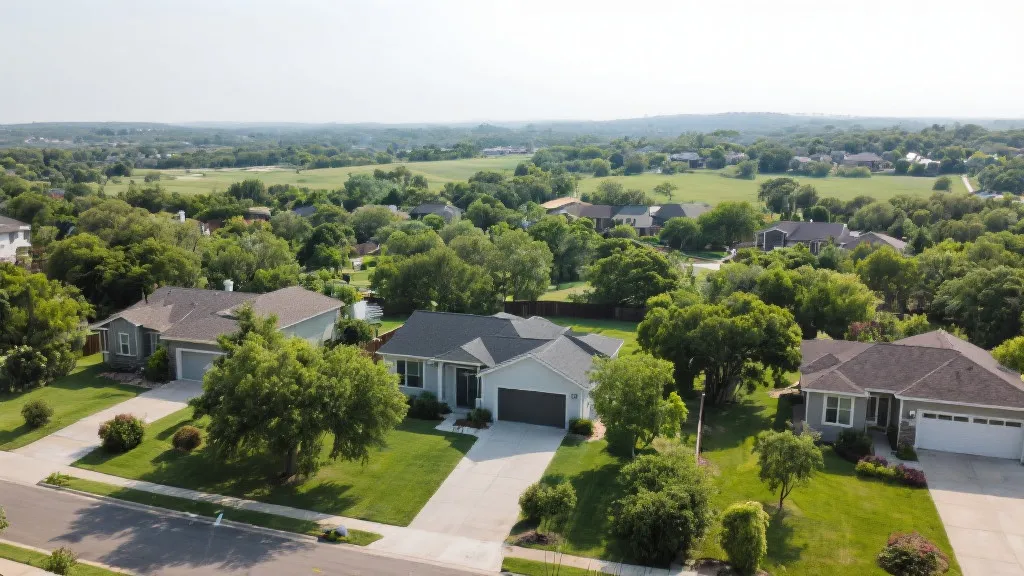
Discovering Springdale Estates Austin
Springdale Estates near Austin is a neighborhood blending suburban tranquility with the vibrancy of a nearby urban core. Offering a unique lifestyle that merges natural beauty with city convenience, this area has become increasingly popular for homeowners seeking a peaceful yet connected community. The area's allure lies in its strategic location, diverse amenities, and cultural integration within the wider Austin environment.

Discover Springdale Estates Austin Nearby
Springdale Estates, located nearby, offers a blend of modern amenities and natural beauty. This residential area is characterized by its prime location, upscale housing options, and vibrant community atmosphere. The locale is perfect for those who wish to experience the top of both urban and suburban living, making it highly sought-after by potential homebuyers looking for a balance of convenience and tranquility.

Discovering Springdale Estates
Springdale Estates near Austin, TX, offers a unique blend of suburban tranquility and metropolitan proximity, making it an appealing choice for families and professionals alike. Known for its scenic views and community-focused living, Springdale Estates provides a serene environment close to the urban amenities of nearby Austin.
