This guide explains how Profileimpl Jade fits into professional dental implant planning, from product evaluation to supplier considerations and clinical workflow. It provides objective background on implant materials, imaging, case assessment, and procurement factors that influence fit and good outcomes, including quality expectations and documentation practices used by clinics and distributors.
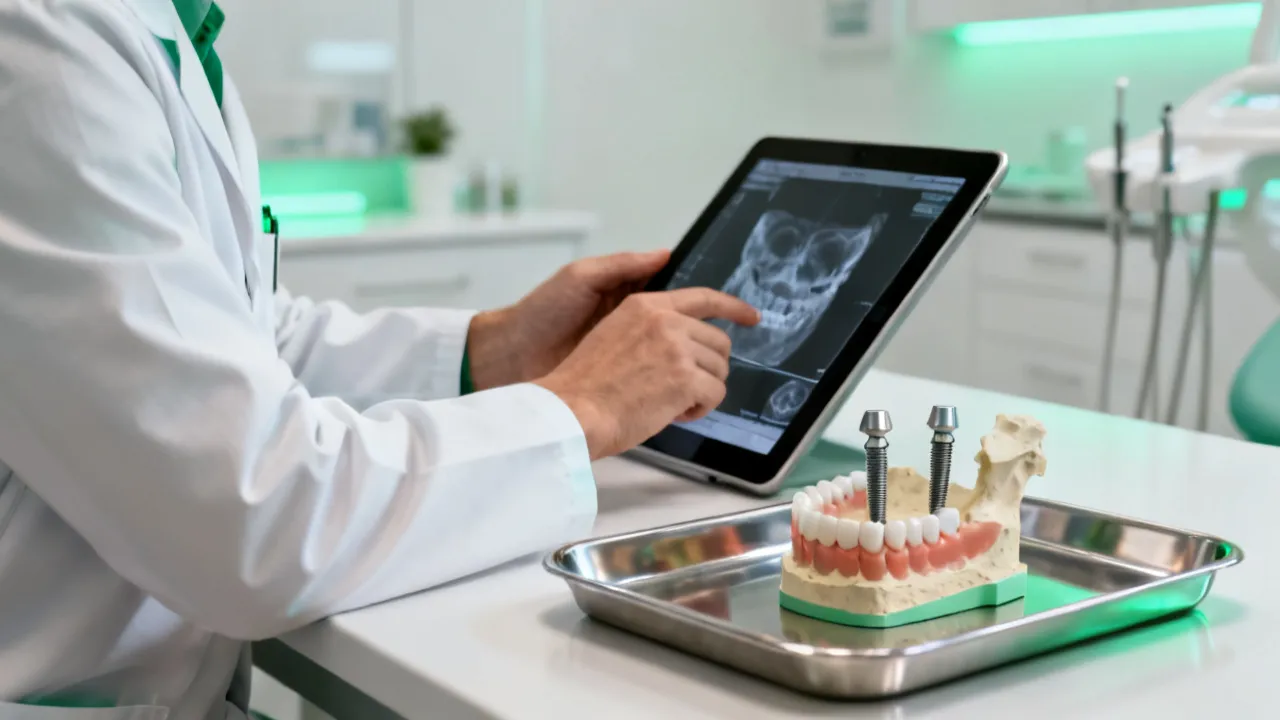
Profileimpl Jade is best understood not as a single decision, but as one component within a clinic’s end-to-end process—case selection, imaging, surgical planning, component verification, procurement, receiving and handling, and finally restorative execution with follow-up monitoring. In other words, the product choice matters, but it rarely acts alone. The most reliable outcomes typically arise when the implant system is evaluated alongside compatibility requirements (implant–abutment–prosthesis interfaces), documented quality standards and traceability expectations, and the practical realities of your supplier network and your clinic’s operational capacity.
Because this guide is designed for objective decision-making, it focuses on how clinics and suppliers generally approach evaluation, rather than on making claims that cannot be verified for your particular market, product configuration, or patient population. You’ll see practical considerations, quality documentation expectations, and a structured set of conditions/requirements later in the article—presented as a comparison table and a step-by-step checklist.
In many dental markets, product names like “Profileimpl Jade” may be used to identify a specific implant system, a defined set of components, or a system configuration that can include fixtures (the implant bodies), abutments, and prosthetic interfaces (and sometimes associated surgical instruments and prosthetic drivers, depending on the supplier’s catalogue structure). Even if the terminology differs across regions, the clinical implication remains the same: the core question is whether this system aligns with the planned restorative workflow and the biological goals of the patient’s case.
From an expert standpoint, compatibility and predictability matter more than brand familiarity. A system should support the entire sequence of clinical actions required to reach a stable, functional, and maintainable result. When clinics evaluate a system such as Profileimpl Jade, they typically confirm that it supports:
Importantly, “fit” is not just mechanical. It also includes workflow fit—how the surgical team and prosthetic team communicate planning information, how components are selected and documented, and how the clinic handles substitution risk if a component is unavailable or delayed.
You may encounter “price information” when researching Profileimpl Jade through suppliers or distributors. However, exact costs can vary widely based on region, component type, catalog version, marketing bundle configuration, and whether the quote includes training, clinical support, or guide fabrication. In procurement reviews, experienced procurement managers commonly separate cost categories so that the clinic can compare like-for-like:
Instead of relying on a single headline cost, clinics often ask for an itemized quote from the supplier so they can compare the same set of components and services across suppliers. This also helps prevent mismatches between fixture specifications (diameter/length, connection type), abutment selection, and restorative components. A major cost driver in implant dentistry is often not just the implant fixture itself, but the total number of components required and the probability of delays or remakes if components are mismatched.
Some clinics also model the “effective cost” in terms of operational efficiency. For example, if a system requires additional instrumentation purchases, the clinic might add an amortized cost of instruments into its evaluation. Similarly, if the prosthetic workflow is more demanding (for instance, requiring more steps, specialized parts, or longer verification time), that time cost can influence adoption decisions even when the unit device price looks attractive.
When clinics source implant systems, the supplier is part of the risk management framework. A reputable supplier typically provides mechanisms that protect both patient safety and clinic continuity. Clinics often look for evidence of:
In practice, procurement decisions are strengthened when the supplier can explain how products are stored and dispatched, and when the clinic can verify packaging and labeling upon receipt. For clinicians, receiving the correct components in the correct condition is a fundamental safety step—because if a fixture is the correct specification but is missing required documentation or has packaging problems, the clinic must decide whether the item can ethically and safely be used. Good supplier processes allow quick clarifications and replacement rather than extended uncertainty.
Clinics also benefit when the supplier can provide an accessible “technical support pathway.” This might include a dedicated phone line or portal for urgent restorative questions (for example, compatibility issues between abutments and prosthetic components), or rapid shipment of missing items if caught before placement. The operational cost of slow support can be high because implant procedures often have time constraints related to surgical scheduling, patient travel, and coordination between surgical and prosthetic appointments.
Professional dental implant planning generally uses clinical examination, imaging, and restorative design logic. While the implant brand influences available component options and certain technical steps, the planning principles are consistent across systems. In other words, no implant system replaces fundamental planning: the clinician must still consider anatomy, risk, restorative requirements, and long-term maintenance.
Common stages include:
For evidence-based anchors on outcomes and planning logic, many clinicians reference peer-reviewed consensus statements and guidelines from recognized organizations. For foundational principles regarding implant outcomes and systematic risk factors, clinics often consult resources such as the International Journal of Oral & Maxillofacial Implants (ILCM/IJOMI) and consensus documents published by implant-focused professional bodies. For broad safety and regulatory frameworks on medical devices, suppliers and clinics commonly use national regulatory guidance and documentation standards.
Even when a clinic is evaluating Profileimpl Jade, the planning validation steps do not change. What changes is how the planned restorative componentry is realized with that system’s specific interfaces—abutment types, screw types, restorative connectors, and any system-specific instruments required for correct assembly. The evaluation therefore becomes a mapping exercise: does the system provide all the parts and workflow steps needed to execute the plan safely and predictably?
Even when Profileimpl Jade is selected, successful outcomes still depend on multiple variables that a clinic can control. Industry experts typically emphasize that implant systems are only one part of the therapeutic equation. Mechanical fit is necessary but not sufficient; biological integration and long-term success require an appropriate match between implant positioning, loading strategy, restorative design, and patient factors.
Examples of variables that influence risk and outcome include:
Clinics often underestimate the importance of restorative “fit” in a systems-evaluation context. A component label may be correct, but if the prosthetic team cannot reliably achieve a passive fit with the chosen abutment-restorative interface, the result may include technical complications such as screw loosening or prosthetic adjustments. Therefore, “fit” evaluation should include not only receiving-fit (does the component visually match and connect?) but also restorative-fit (does it assemble reliably into the final prosthesis without forcing alignment?).
Similarly, clinics should consider that “integration” is also influenced by how the case is managed perioperatively. Surgical technique, implant positioning accuracy, and the management of primary stability all influence bone healing. Restorative timing and the loading protocol are likewise essential. In a systems-adoption evaluation, the clinic is effectively testing whether the implant system supports these decisions and whether the required components and steps are available and feasible.
In operational terms, clinics should treat component verification as a checklist, not as a habit. When a system is adopted, verification becomes part of the clinic’s safety workflow—documented, repeatable, and accountable. An expert procurement and clinical workflow typically asks for and verifies the following information:
If a clinic cannot obtain clear documentation from the supplier, or if labeling is incomplete, that is a practical reason to pause selection and request clarifications. From a governance perspective, undocumented or unclear components introduce avoidable risk. Even if clinicians are experienced and can identify components visually, documentation still matters because it supports safe use, repeatability, and regulatory compliance.
Some clinics implement additional internal checks, such as verifying that components received match the planned specifications in the digital design (if applicable). For instance, if the clinic uses a digital plan and guide, it may cross-check that the selected fixture corresponds to the planned dimensions and connection type. If there is a mismatch, the clinic can resolve the discrepancy before the patient appointment, rather than discovering it at the chair.
Because the prompt includes location-related placeholder text, this guide uses a “nearby” framing instead of naming a specific city or country. In practice, clinics often compare Profileimpl Jade availability from suppliers in their nearby distribution network to reduce lead times and minimize delays that can affect patient schedules.
Clinics may also prioritize supplier responsiveness from a practical standpoint—how quickly technical questions are answered, how promptly replacement logistics are handled, and how effectively training materials are provided to both surgical and prosthetic teams. In implant dentistry, the cost of delays can be more than financial; it can affect patient satisfaction, rescheduling frequency, and the clinic’s ability to maintain a predictable workflow.
Additionally, “nearby” availability affects your ability to manage uncommon scenarios, such as needing a rarely used implant length or connection variant. Even if you rarely stock everything, clinics need an emergency process: either a way to source quickly from nearby channels or a strategy for safe postponement if an urgent component is missing. These operational considerations are part of evaluating Profileimpl Jade as a system within your service region.
Note: The table below is a structured supplement to help you compare how to approach Profileimpl Jade through different procurement and planning lenses. It does not list links and does not assume a universal price. Use it as a reference document during supplier comparisons or internal governance meetings.
| Evaluation area | What to check for Profileimpl Jade | Why it matters to outcomes |
|---|---|---|
| Clinical compatibility | Fixture design options, connection type, and prosthetic pathway alignment | Reduces component mismatch and supports prosthetic-driven positioning |
| Supplier documentation | Traceability (batch/lot), labeling completeness, instructions for use | Enables accountability and safer device handling |
| Price structure | Itemized quote for each component category and any planning-related services | Prevents “apples-to-oranges” comparisons across suppliers |
| Logistics and lead time | Dispatch reliability and delivery timelines within your nearby service radius | Lower chance of surgical rescheduling and last-minute substitutions |
| Technical support | Availability of surgical/prosthetic guidance, staff training, and troubleshooting | Improves consistency in workflow execution |
| Quality and handling | Sterilization packaging integrity at receipt; storage guidance | Supports infection control and safe device readiness |
To make the table more actionable, clinics often add internal “pass/fail” or “responsibility owner” notes next to each row. For example, procurement might own traceability documentation verification, while the implant team might own compatibility confirmation. Defining owners helps prevent gaps—especially when multiple teams coordinate around adoption.
Below is a practical workflow used by many clinics when adopting or regularly stocking implant systems. Adjust it to your regulatory environment and internal governance. A key principle is that evaluation should happen before full scale adoption, and it should include both clinical and operational checks.
During the controlled adoption phase, clinics sometimes find it helpful to conduct a “mock surgery kit” assembly. That is, simulate the exact sequence of components and instruments needed for a representative case type to confirm that the team can assemble everything quickly and correctly, and that no hidden components are missing. This reduces chairside friction later.
Adoption of any implant system—including Profileimpl Jade—tends to be conditional on operational readiness and clinical governance. Clinics often apply requirements in categories such as regulatory alignment, sterilization practices, documented traceability, staff competence, and informed consent. Common requirements include:
Some clinics also require a formal sign-off that the prosthetic laboratory or internal prosthetic department can consistently fabricate and verify a passive fit using the system components. While the implant manufacturer may define instructions, the laboratory must be comfortable with the assembly and verification workflow to avoid rework.
Another condition sometimes used is “supplier responsiveness testing.” For example, clinics might simulate an urgent need by asking the supplier to provide a component specification quickly or respond to a technical question within a defined timeframe. This helps quantify supplier performance, especially in near-service regions where lead times matter.
From an industry standpoint, the strongest predictor of smooth implementation is not marketing claims; it’s governance. Clinics that formalize device evaluation—component compatibility, traceability, documented handling instructions, and supplier responsiveness—tend to experience fewer workflow disruptions.
When clinics compare implant systems, they also consider:
Governance also includes communication pathways. For example, how the surgical team communicates planned implant positions to the restorative team affects prosthetic selection. A system that is compatible “on paper” can still fail in practice if communication is poor or if the team cannot translate planning output into component selection reliably. Therefore, evaluating Profileimpl Jade often involves evaluating the workflow, not only the device.
Clinics may create an internal “component library” document. This might list the Profileimpl Jade fixture sizes, connection types, and typical abutment and restorative combinations used for common case archetypes. The goal is to reduce selection confusion and speed up verification. A standardized component library can also support training and onboarding for new staff.
Even before making a final adoption decision, clinics often run hypothetical operational scenarios to determine whether the system and supplier support real-life unpredictability. Evaluating Profileimpl Jade as part of the workflow means anticipating these scenarios. Common examples include:
By explicitly testing these scenarios during evaluation, clinics reduce the chance that the adopted implant system will be disruptive later. In this sense, “Profileimpl Jade evaluation” becomes a risk assessment of the entire operational chain: from purchase to receipt to sterilization to chairside assembly to restorative integration.
Traceability is not just a regulatory checkbox; it supports clinical safety and accountability. Clinics typically want documentation that enables them to answer practical questions: Which component was used for this patient? What batch produced it? What instructions governed its use at the time of treatment? And what should we do if any issue emerges later?
“Good” documentation practices commonly include:
From a clinical workflow perspective, these practices prevent a common failure mode: the clinic may have a component used in surgery but cannot identify it accurately later if there are complications. Even when the clinical outcome is good, good traceability strengthens long-term safety and audit readiness.
Clinics often focus on the surgical connection first, but restorative readiness deserves equal emphasis. A systems adoption evaluation for Profileimpl Jade should also include restorative verification steps. Depending on whether your clinic uses an in-house lab or an external laboratory, restorative steps may include:
To evaluate Profileimpl Jade in a way that supports restorative success, clinics may conduct a “prosthetic assembly simulation.” This could involve taking a planned abutment/restorative component set, assembling it in the clinic (or with the lab), and documenting any assembly steps, fit issues, or time delays. The goal is to detect problems early, before full case adoption.
This approach is particularly important if the clinic is moving from a different implant system, because the prosthetic team may have established habits with connection types and component selection. A new system often requires adjustment, even if clinicians feel confident they understand the concept of “implant-abutment connection.” In practice, the exact combination of components and how they are assembled can affect fit, verification, and time efficiency.
When clinics adopt Profileimpl Jade, they need an inventory strategy that aligns with both patient demand and cost control. Inventory decisions can influence clinical outcomes indirectly by affecting whether the clinic can access the needed components at the right time.
Inventory strategy considerations often include:
Even if a system is “available,” a clinic may still face operational issues if the required components are not stocked or cannot be delivered within the procedure timeline. Therefore, Profileimpl Jade evaluation should include not only supplier reliability but also your own ordering and inventory capacity.
Adoption of Profileimpl Jade should be treated as a training and competency project as much as a procurement decision. Clinical teams often have different responsibilities, and implant procedures require coordination across roles.
Training considerations commonly include:
Many clinics create a small internal audit process after training. For example, for the first few cases using Profileimpl Jade, they verify that every component is documented correctly and that no packaging issues slip through. This reduces the chance that training gaps turn into patient safety issues.
Even when clinicians are confident in the system, governance ensures that adoption is documented, repeatable, and aligned with standards. A well-governed adoption process typically includes:
In many clinics, governance prevents a common problem: switching implant systems without a full operational change plan. Profileimpl Jade should not be “just another product added to inventory.” It should be treated as part of the system-of-systems that includes the surgical protocol, restorative steps, documentation workflows, and supplier logistics.
Profileimpl Jade typically refers to an implant system name or component family used in dental implant therapy. Clinically, its value is determined by how its fixture and prosthetic interfaces match the restorative plan, how well it supports the surgical and restorative workflow, and what documentation/traceability you can verify from the supplier. In evaluation terms, the “system” is often more than a fixture—it includes the complete chain of components and instructions needed to execute treatment safely.
Clinics should request itemized quotes that separate implant fixtures, prosthetic components, screws, and any related planning or support items (such as guide-related fees or training). This allows a fair comparison across suppliers and prevents cost misunderstandings driven by different component bundles. If you compare total per-case costs, make sure the comparison uses the same component set and restorative pathway assumptions.
Traceability (batch/lot), complete labeling, instructions for use, and clear dispatch/handling procedures are essential. Equally important are lead-time reliability and a predictable process for resolving packaging or documentation issues on arrival. Clinics also benefit when supplier technical support is responsive and when replacement and return processes are clear before problems occur.
No. No single product selection guarantees outcomes. Implant success is influenced by patient risk factors, imaging accuracy, surgical technique, implant positioning, biologically appropriate loading strategy, prosthetic design (including passive fit and occlusion), and follow-up care. The implant system should be selected because it supports the full workflow reliably and helps reduce operational and compatibility risks.
Common conditions include regulatory alignment in your market, sterilization and infection-control compliance, documented traceability procedures, staff competency/training, and verified compatibility with the prosthetic workflow. Clinics often add operational checks such as supplier lead-time reliability and an internal controlled adoption phase before full scale usage.
The clinic should pause use of the affected items, document what was received (including packaging condition and labeling issues), and follow the supplier’s return/replacement and documentation correction process. Proper traceability records should reflect any quarantines or substitutions. If documentation is incomplete, the safest operational decision is typically to request clarification or replacement before the component is used.
Yes. For general implant planning and evidence-based considerations, clinics often use peer-reviewed consensus publications in implant dentistry journals and guidance from professional organizations. For device compliance and safety expectations, clinics rely on national medical device regulatory frameworks and supplier-provided documentation. The specific combination of sources used may vary by jurisdiction, but the planning principles remain consistent across systems.
A clinic can test compatibility by running a controlled restorative workflow simulation: assemble representative component sets, verify fit and assembly steps, confirm torque/retention protocols, and validate passive fit verification procedures with the laboratory (if external). The clinic should document any assembly challenges or ordering gaps discovered during the simulation and confirm that technical support addresses them quickly.
Common operational metrics include component availability on the day of surgery, packaging integrity at receipt, completeness of documentation/traceability captured in the patient record, the number of restorative assembly issues requiring rework, time delays related to component substitutions, and supplier responsiveness when technical questions arise.
Profileimpl Jade can be a practical selection when it fits your restorative workflow, your team’s technical capabilities, and your procurement governance standards. For clinics considering price information and supplier details—especially in a nearby distribution context—the objective approach remains consistent: verify documentation and traceability, ensure component compatibility across the fixture–abutment–prosthesis chain, compare like-for-like packages rather than headline costs, and adopt through a controlled implementation phase that includes both clinical and operational checks.
If you want, tell me the component type you’re considering (e.g., fixture-only vs. implant+abutment sets) and your region’s typical supplier structure, and I can tailor the evaluation checklist and FAQs to your exact procurement scenario—including suggested internal responsibility ownership (procurement vs. surgical team vs. prosthetic/lab team) and sample “receipting verification” items aligned to your workflow.
Striking the Perfect Balance: Navigating Premiums and Out-of-Pocket Expenses in Senior Insurance Plans

Explore the Tranquil Bliss of Idyllic Rural Retreats

How to Make Lasting Memories at Disneyland Attractions

Affordable Phones and Plans for Seniors

Affordable Full Mouth Dental Implants Near You

Unlock the Top Kept Secrets to Finding Your Ideal Dentist for Flawless Dental Implant Results!

Discovering Springdale Estates

Unveiling RS Sul Telecom Services

The Guide to Car Trading


Discover the Essence of Done Ti Cuisine
Done Ti embodies a unique culinary tradition rooted in flavor and culture. This cuisine, renowned for its authentic taste and vibrant presentation, is a testament to the art of culinary expression. Each dish tells a story of heritage, crafted with attention to detail and a passion for combining flavors that create unforgettable dining experiences.
Profileimpl Jade: Expert Guide for Implant Planning
This guide explains how Profileimpl Jade fits into professional dental implant planning, from product evaluation to supplier considerations and clinical workflow. It provides objective background on implant materials, imaging, case assessment, and procurement factors that influence fit and good outcomes, including quality expectations and documentation practices used by clinics and distributors.
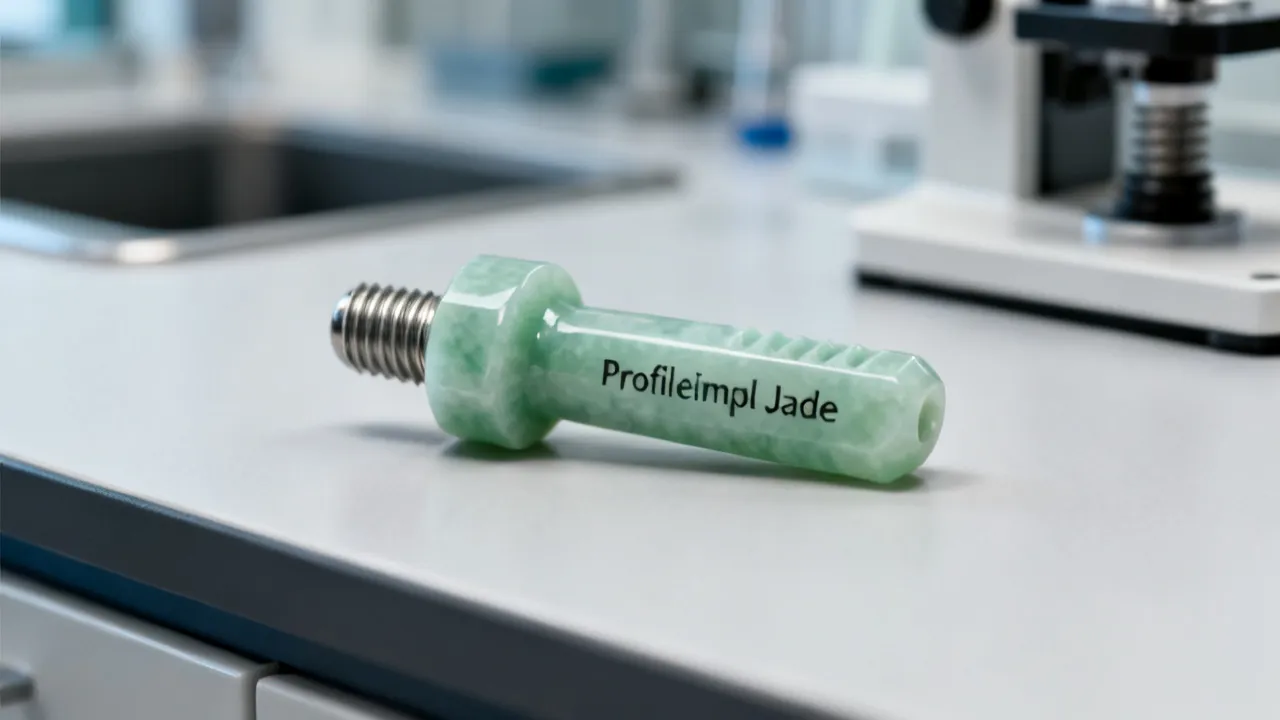
Profileimpl Jade: Expert Guide to Product Selection
This guide explains Profileimpl Jade, focusing on how to evaluate implant options with a practical, evidence-aware lens. “Jade” functions as a product line indicator, while “Profileimpl” frames the manufacturer category and intended clinical use. Learn how to compare supplier credentials, assess fit and planning requirements, and understand typical procurement conditions objectively.

Understanding the Legacy of Master Lopes
The renowned Master Lopes is a key figure in martial arts, known for his dedication and mastery of traditional techniques. His influence extends beyond mere physical prowess, touching on mental discipline and cultural enrichment. Master Lopes represents a lineage of wisdom and skill that continues to inspire students globally, making martial arts a timeless pursuit for personal development.

Innovations in Seafood Harvesting
In the world of modern fisheries, the Optimar Rae emerges as a symbol of innovation and efficiency, reshaping the landscape of seafood harvesting with its cutting-edge design and technology. Originating from Norway, Optimar has been at the forefront of technological advancements in the fishing industry, providing sustainable and efficient solutions that cater to the evolving needs of global seafood markets.
Understanding Optimar Rae Technologies
Optimar Rae stands at the forefront of maritime technology, providing cutting-edge solutions for the seafood industry. A leading name in innovation, the company delivers advanced processing equipment and services that optimize efficiency and sustainability. Discover the latest advancements and insights into how Optimar Rae is shaping the future of marine processing.
