Profileimpl Jade is a well-known dental implant platform used for treatment planning and restoration workflows. This guide explains, in objective terms, what implant “profile” systems typically cover, how suppliers and pricing factors influence decisions, and what clinicians evaluate during selection—so patients can ask better questions in consultation and follow clear care requirements.
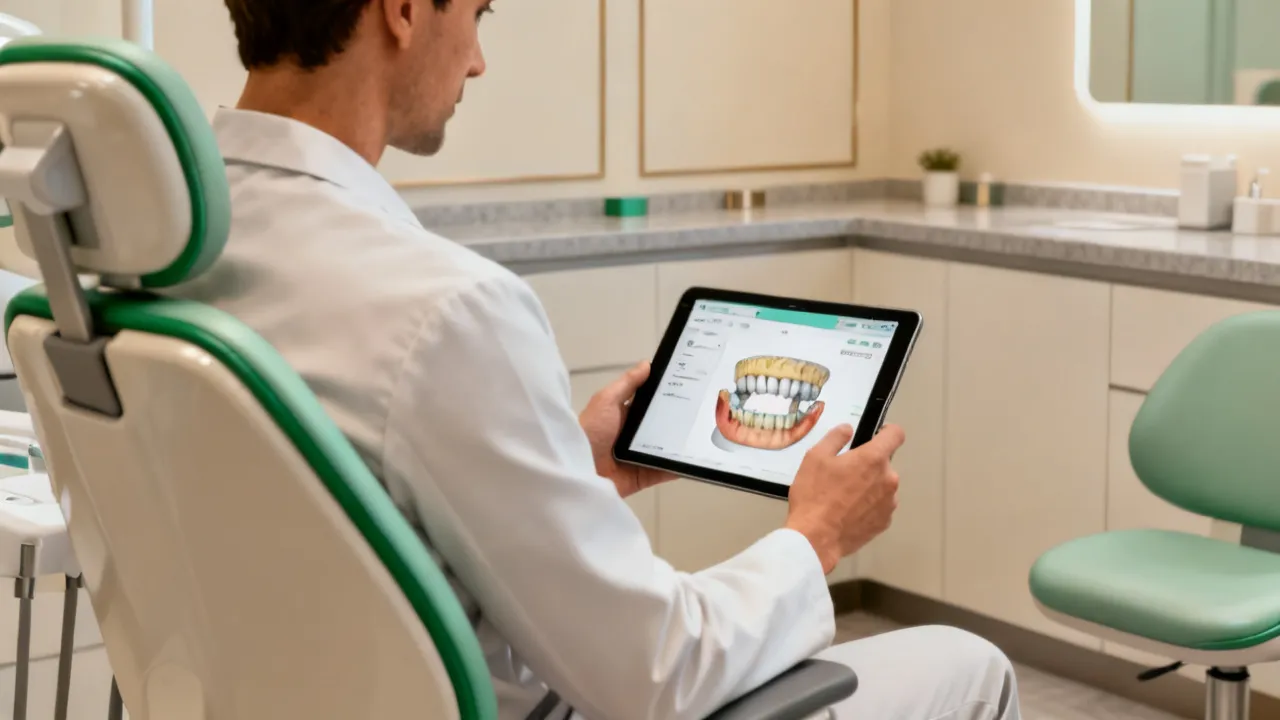
Profileimpl Jade is commonly referenced in dental implant discussions as an implant-related system name used in clinical treatment planning and restorative workflows. For patients and referring clinicians, the practical value is less about a marketing label and more about how a given implant profile aligns with anatomical considerations, prosthetic goals, surgical protocol, and good maintenance planning. In this expert guide, we focus on the decision process around implant systems, including how pricing, supplier maturity, and clinic protocol affect outcomes—so you can evaluate options with clarity rather than guesswork.
Because implant selection is strongly case-dependent (bone quality, spacing, occlusion, hygiene ability, and planned restoration type), the safest approach is to treat Profileimpl Jade as one input in a wider clinical assessment—not as a standalone guarantee of results. An implant system may be “right” or “wrong” depending on the exact restorative plan, the surgical constraints of your anatomy, and the long-term maintenance strategy your clinic can realistically deliver.
In practical terms, patients often arrive with one of two mindsets: (1) “I want the best implant system money can buy,” or (2) “If two clinics use different systems, the difference must be minor.” Both assumptions can be misleading. A patient-centered, evidence-informed approach is to understand what that system implies for platform design, component compatibility, surgical sequencing, and follow-up management—then evaluate whether those features match your specific clinical scenario.
As you read through this guide, keep in mind that some of the most important factors are not visible in photos, price lists, or online comparisons. The biggest determinants of long-term success usually involve: correct implant positioning, adequate bone and soft-tissue management, the restorative plan (including emergence profile and occlusion), risk factor control (periodontal health, diabetes, smoking, bruxism), and a maintenance regimen you can follow consistently.
In industry practice, an implant “profile” or implant system reference often refers to a set of design and procedural parameters that influence how an implant integrates and how it supports the final prosthesis. Even when two systems are described as “similar,” differences in platform geometry, abutment compatibility, recommended surgical sequence, prosthetic components, and tissue-management tools can change planning details such as restorative emergence profile, screw access channel positioning, and tissue management strategy.
Therefore, when Profileimpl Jade appears in a consultation, the clinically relevant question is usually: does this system’s platform and prosthetic ecosystem match your clinician’s planned restoration and your specific anatomy? That is what drives whether the workflow is efficient, whether component choices are straightforward, and how predictable follow-up maintenance can be.
To evaluate an implant system responsibly, it helps to understand what parts form the “ecosystem.” At minimum, the ecosystem includes: the implant fixture (the part integrated into bone), the cover screw or healing component used during early stages, the abutment (or prosthetic interface) that connects to the final restoration, and the prosthetic components used to secure and support the crown/bridge/overdenture. Many systems also include guided surgery components, tissue-level options, options for different platform transitions (depending on the design philosophy), and specific instrumentation for torque delivery and screw access channel management.
Even small differences can matter. For example, the restorative “emergence” (how the crown contours out of the gumline) affects hygiene: if the emergence profile is too abrupt, plaque control becomes harder; if it’s too flat or poorly shaped, soft tissue can become inflamed. In screw-retained restorations, the position of the screw access channel must be planned so it can be restored with an appropriate material and without compromising esthetics or occlusion. Implant systems differ in how their abutments and connection designs practically allow the clinician to manage these goals.
Finally, implant integration and long-term stability are influenced by how the surgical protocol supports primary stability and allows biologic healing. That includes drilling sequences, implant surface characteristics, and the management of micromovement during healing. A system’s design is part of the story, but the clinician’s adherence to the system’s intended protocol is equally important. A mismatch between the system and the execution strategy can undermine the theoretical advantages of any implant platform.
When people search for “Profileimpl Jade price,” they are often trying to compare total treatment costs across clinics or supplier channels. However, dental implant pricing typically bundles multiple cost drivers, and a single line item rarely tells the full story. In a professional setting, cost can reflect:
From an expert standpoint, you should request a transparent breakdown that distinguishes implant-related components from prosthetic work and clinical services. This allows you to compare “like with like,” especially when a supplier is described differently across providers.
It’s also important to recognize what price should not be allowed to hide. A low quoted implant system cost may correspond to choices that reduce clinical predictability—such as using a component package that is incomplete for your case, skipping necessary imaging, not including required augmentation or soft-tissue management, or underestimating restorative complexity. Conversely, a higher quote does not automatically mean better care; it can reflect the inclusion of higher-grade restorative materials, more comprehensive planning, a guided surgery workflow, or a clinic’s capacity to deliver robust follow-up.
When you compare clinics, focus on total treatment scope, not the implant fixture price alone. For example, one clinic may quote an implant price that excludes: CBCT scanning, a surgical guide, a bone graft, a custom abutment, provisionalization, and multiple follow-up visits. Another clinic may include those items in a single package. If you compare only the implant system line, you may end up misunderstanding what you are truly buying.
A useful request for any consultation: ask for a written itemized quotation (or at least a structured estimate) that separates these categories explicitly:
Ask whether “Profileimpl Jade price” includes the abutment selection and the specific connection components required for your planned restoration type. In many real-world cases, the abutment and restorative interface can represent a meaningful portion of total cost. If those items are excluded or left vague, your quote may be incomplete.
One final “expert caution”: avoid comparing quotes that represent different treatment concepts. For instance, an immediate placement and immediate provisional approach may cost more upfront (because of additional prosthetic steps), while a staged approach may appear cheaper initially but requires extended healing and more visits. Both can be appropriate, but they are not interchangeable. Cost comparisons should only be made when the clinical plan and timelines match.
Many patients focus on the “supplier” at purchase time, but the deeper issue is continuity: will the clinic be able to obtain components, replacements, and documentation consistently years later? In practice, supplier maturity affects:
When Profileimpl Jade is associated with a particular supplier, ask the clinic which ecosystem components they stock or can reliably source. This is particularly relevant if you anticipate future restorative changes such as additional implants, reline procedures, or prosthesis remakes.
To understand why this matters, consider what happens over the lifespan of an implant. You may need: a tightening or replacement of an abutment screw, a component change due to wear, a remake of the prosthesis because of occlusal wear or esthetic changes, or soft-tissue management when the gingival architecture evolves. In implant dentistry, the crown or bridge is not necessarily permanent; it is often the maintenance-intensive part that must adapt over time.
If the clinic cannot easily obtain prosthetic components for the specific implant ecosystem used in your mouth, it can lead to delays, substitution with non-ideal parts, or costly remakes. A mature supplier ecosystem also supports better documentation and traceability, which is valuable if recalls or batch-specific issues ever arise. While such events are not common, the risk is mitigated by proper traceability and reputable procurement.
Another aspect of supplier maturity is the clinic’s ability to access updated information and training. Manufacturer updates may refine recommendations for torque application, implant-abutment connection maintenance, or restorative interface adjustments. A clinic that is integrated with the supplier’s documentation practices is more likely to implement those updates.
From the patient’s perspective, the best practical question is often simple: “If a component is needed in five or ten years, how will you obtain it and confirm compatibility?” A mature ecosystem should provide clear answers—either through direct sourcing, established distributor relationships, or well-documented compatibility pathways.
Even when a patient searches with a location keyword, practical care decisions often depend on “nearby” factors—clinic accessibility for follow-up, local scheduling patterns, and how quickly your clinician can respond if you experience discomfort, delayed healing concerns, or prosthetic adjustments. In many regions, patients prefer a nearby facility that can support multiple postoperative visits and maintenance reminders.
Consider also local expectations around dental care communication: in some communities, patients may prefer face-to-face explanations and printed aftercare instructions; in others, digital follow-up is more common. Regardless of style, the clinician should document the plan clearly and provide measurable checkpoints (healing milestones, prosthetic timing, and maintenance schedules).
From an expert standpoint, follow-up readiness is not “nice to have.” Implant dentistry can involve scenarios where early intervention matters: persistent inflammation, soft tissue overgrowth, screw loosening, discomfort that indicates occlusal overload, or issues with prosthetic fit. The ability to see the clinician quickly—often within days rather than weeks—can reduce the risk that a minor issue becomes a bigger complication.
Another location-related reality: maintenance coordination. Many patients have a periodontal provider or general dentist they trust. If you can choose a nearby clinic that coordinates with those providers (with clear reports, photos, and maintenance instructions), long-term care becomes more continuous. If not, you might end up with fragmented care—implant aftercare without coordination with periodontal maintenance, or vice versa.
Therefore, when evaluating a “nearby clinic,” consider not only distance but also how the clinic manages continuity: do they have a structured aftercare protocol, do they schedule recall visits proactively, and do they document prosthetic adjustments clearly? These elements strongly influence how well your implant ecosystem is managed over time.
From a restorative implantologist’s viewpoint, “system selection” is an integration of surgical and prosthetic planning. When Profileimpl Jade is being considered, key evaluation steps usually include:
The expert takeaway is that implant success is not solely system-dependent; it is strongly influenced by treatment planning quality, surgical execution, patient risk management, and good maintenance.
To expand on these evaluation steps, consider the following practical points. First, restorative-driven positioning means the clinician starts with how your final teeth should look and function. The implant is placed so that the restorative components can sit in the correct position relative to neighboring teeth and the intended occlusion. If the implant is placed too facially or too lingually (depending on anatomy), you may face compromised emergence profile or difficulty achieving ideal screw access and crown contour. This is where implant platform design and prosthetic options become relevant.
Second, tissue management strategy involves soft-tissue thickness, keratinized tissue needs, and how the emergence profile influences gingival health. Many clinicians use evidence-based approaches to maintain or augment keratinized tissue or to manage soft-tissue contours so the final restoration can be cleaned and sustained. The implant system’s available components (healing abutments, transitional elements, connection design) can influence how easily those soft-tissue goals can be achieved.
Third, occlusion matters. Implant prostheses are not exactly like natural teeth; they behave differently under load due to anchorage and biomechanics. In posterior regions, occlusal overload can contribute to complications such as prosthetic wear, screw loosening, chipping of restorative materials, or long-term marginal issues. A clinician may choose restorative designs (splinted restorations, specific material choices, occlusal scheme adjustments) based on risk. System compatibility also plays a role—some systems provide prosthetic components that support certain restorative designs more conveniently.
Finally, maintenance feasibility is critical. Even the best surgical result can fail if the restoration is not easy to clean. Clinicians may choose designs that facilitate hygiene: appropriate contours, accessible interproximal cleaning, and prosthetic designs that minimize hard-to-clean niches. If Profileimpl Jade’s restorative ecosystem supports the needed cleaning and maintenance approach for your specific situation, that’s a meaningful “plus” in the decision process.
The section below compares how implant systems are commonly assessed. It does not assume that every clinic uses identical protocols or that all components are the same across suppliers.
| Category | What to confirm with Profileimpl Jade | Typical source (where information comes from) | Practical requirement before treatment |
|---|---|---|---|
| System documentation | Which components are included in the plan and which are optional | Manufacturer’s IFU (instructions for use), clinic protocol documents | Clinically relevant compatibility with planned prosthetic components |
| Pricing transparency | Whether “Profileimpl Jade price” includes surgery, imaging, and restoration | Clinic quotation breakdown and invoice line items | Comparable scope of work across providers |
| Supplier continuity | Who supplies the implant ecosystem parts and replacement components | Supplier documentation, clinic procurement records | Reliable good ability to source maintenance and prosthetic parts |
| Clinical suitability | Whether the system’s design is appropriate for your implant site | CBCT review, clinical risk assessment, restorative plan documentation | Bone quality and restorative space meet planned protocol requirements |
| Maintenance and follow-up | Scheduled recall and prosthetic adjustment plan | Clinic aftercare protocol and maintenance guideline standards | Confirmed home-care routine and ability to attend follow-ups |
To make this table actionable, treat each row as a checklist item you can bring to the consultation. If the clinic cannot answer the question behind a row—such as how they source and replace a specific component—then you have not yet received enough information to make a confident decision. Good implant care is built on transparency, documentation, and consistent follow-up.
Also note that “what to confirm” is not purely bureaucratic. It is connected to real patient outcomes. For example, inadequate documentation can lead to confusion when future clinicians attempt maintenance or restorative corrections. Incomplete pricing can lead to rushed decisions or delayed prosthetic completion. Unclear supplier continuity can create delays in the event of component replacement. And if maintenance and follow-up expectations are not defined, the patient may underinvest in the long-term practices that protect implant health.
To make this guide even more practical, you can bring a “questions sheet” to your appointment and have the clinic answer in writing where possible. Written answers reduce misunderstandings later. When patients feel rushed, they may forget to ask follow-up questions. A checklist keeps the decision process organized.
Here are additional decision-support questions that often reveal differences between clinics beyond the implant system name:
By asking these questions, you also uncover whether the clinic’s workflow is robust. A system name alone cannot reveal workflow quality. But asking workflow questions quickly shows the maturity of the clinic’s process.
Even with an appropriate system, candidacy depends on clinical conditions. Typical requirements a clinician evaluates include:
These are general clinical considerations; your clinician should tailor them to your health and anatomy.
To understand how these factors interact with implant choice, consider the following scenario examples. If you have limited bone volume, the clinician may require augmentation (bone graft, membrane, or guided bone regeneration). The implant system’s recommended protocol for certain surgical techniques can matter. For instance, if the clinician intends to perform a specific approach that relies on certain components or instrumentation, compatibility with the chosen system becomes important.
If periodontal disease is active, implant prognosis may be worse without stabilization and maintenance. A clinic may choose a specific restorative strategy for periodontal risk—for example, selecting a prosthesis design that can be cleaned effectively and supports healthy soft tissue. If the implant system’s prosthetic parts allow a design that supports cleaning, it becomes favorable. However, if the system restricts design options, the clinician may need to find alternative solutions.
Systemic risk factors also affect protocol choices. Healing time, risk of complications, and the approach to loading may vary. A mature clinic should discuss these risks openly and adjust the timeline accordingly. Again, the system name is not the determining factor; the clinical decision process is.
Lastly, occlusal management intersects with system selection through prosthetic options and connection stability. For bruxism, clinicians may prefer certain restorative designs and might recommend a night guard. They may also evaluate how forces transmit to the implant and prosthesis interface. If Profileimpl Jade’s restorative ecosystem supports the clinician’s bruxism management strategy, it can be a practical advantage—but only if the overall plan is evidence-based.
In implant procurement and clinical ecosystems, “supplier” can refer to the organization that distributes the implant system and associated components to clinics. For patients, the supplier matters indirectly through:
If a clinic uses Profileimpl Jade, ask what they can guarantee regarding future access to prosthetic interfaces and maintenance-related components—especially if you anticipate additional implant work later.
But “supplier” can also mean the distributor’s logistical capability and the clinic’s ability to manage inventory and documentation. A clinic that can forecast needs and stock commonly used components may reduce delays. A clinic with weak procurement processes may be forced to wait for components during emergencies or routine repairs.
Even if a supplier is reputable, the clinic’s relationship with that supplier matters. If the clinic frequently changes distributors or does not have a stable procurement relationship, you might face component access delays. Similarly, if a clinic does not keep adequate records of which components were used (including lot numbers or batch traceability), future maintenance decisions become harder.
Practical patient approach: ask whether the clinic can provide information about the specific implant components used in your case and whether they maintain that documentation. You may not need the details immediately, but you might if future restorative work is required by a different provider.
When your search includes a location term, the “nearby” element often influences your ability to attend postoperative appointments without major scheduling disruptions. In day-to-day practice, that convenience can become clinically important because timely follow-up supports early identification of soft-tissue healing issues and prosthetic fit changes.
In many communities, patients appreciate clinics that coordinate with familiar local dental services—such as periodontal maintenance—because that supports a continuous care pathway rather than isolated procedures. Your clinician should align implant aftercare with your broader oral health plan.
However, it’s important to approach the “nearby” criterion responsibly. Distance alone should never replace evaluation of competence, documentation quality, and evidence-based protocols. The best clinic for you is not simply the one closest to home; it is the one that can deliver consistent care with a clear plan and reliable follow-up.
Consider how a clinic handles postoperative phases. A high-quality implant practice usually includes: pre-op checks, immediate post-op instructions, early healing monitoring, prosthetic delivery adjustments, and scheduled maintenance visits. If you plan to have the implant restored in phases (surgical stage, then healing, then restorative stage), you should verify that the clinic can support your timeline and that you can attend the visits.
You can also evaluate the clinic’s communication style. Do they provide written aftercare instructions? Do they discuss potential complications honestly? Do they explain what the patient should do if symptoms arise? A nearby clinic that is less organized with documentation may still create stress and delays even if it’s geographically close.
For patients who travel or have busy schedules, ask if the clinic offers flexible appointment times or a defined communication channel for issues between scheduled visits. This matters because implant health can be affected by small issues that are easier to address early.
Implant outcomes are commonly evaluated using measures like implant survival rates, marginal bone level changes, complication rates, and patient-reported outcomes (pain, function, satisfaction). Reliable synthesis of evidence is typically drawn from peer-reviewed studies and international consensus documents.
For general context on implant survival and factors affecting outcomes, widely referenced sources include:
Because implant success depends heavily on case selection and maintenance, any clinic-specific claim should be supported by transparent discussion of inclusion criteria and follow-up protocols. If you encounter overly absolute promises, treat them as a red flag and ask for substantiated evidence tied to your clinical scenario.
To make evidence more actionable for your decision, it helps to understand what “success” can mean in implant dentistry. Survival rates describe whether implants remain in place, but they don’t fully capture comfort, function, or maintenance needs. A patient may have an implant that survives but experiences frequent prosthetic complications (e.g., screw loosening) or soft-tissue issues requiring frequent visits. Conversely, a patient may have an implant with stable bone and good function but still require routine maintenance visits. Therefore, a comprehensive “success” evaluation should consider:
When a clinic says a system like Profileimpl Jade is “reliable,” the meaningful question is: reliable under what conditions? Reliable in which patient profiles? What are their follow-up protocols? Do they track complications and address them early? Do they maintain documentation? Evidence-based clinics often can discuss their approach to risk management and maintenance rather than focusing only on the brand name.
Additionally, evidence evolves. New research may influence recommendations about loading protocols, soft tissue management, or maintenance frequency. A mature clinic stays current and aligns its protocol with the evidence rather than relying on habit.
Profileimpl Jade is referenced as an implant system name in clinical discussions and treatment planning contexts. Its relevance depends on the system’s component ecosystem and whether it matches your restorative plan and anatomical conditions assessed by your clinician.
In most practical contexts, you should not treat “Profileimpl Jade” as a single feature that determines outcome. Instead, treat it as a reference to a specific platform and prosthetic connection design that influences how the clinician can build the final restoration. Your clinician’s interpretation of the system’s recommended workflow and component selection is where the clinical relevance becomes real.
Use price as a guide only after you request an itemized breakdown. Ask whether the quote includes imaging, surgery, prosthetic components, anesthesia/sedation (if used), and scheduled follow-up visits. Compare total scope, not just the implant line item.
If you receive a quote that does not clearly specify whether abutments, screws, provisional restorations, and lab fees are included, ask for clarification. The most patient-friendly clinics provide structured estimates with explicit categories.
Not necessarily. Price can reflect case complexity, prosthetic material selection, clinic facility overhead, and comprehensive aftercare planning. Focus on clinical fit, documented protocol adherence, and component compatibility.
A higher price can be appropriate when it reflects a more robust plan—for example, when augmentation is included, guided planning is included, and a detailed maintenance and repair policy is included. But you should still verify that the quote corresponds to your clinical needs and that it includes the components required for the final restoration.
Ask which organization supplies the implant system and related prosthetic components, how component traceability is handled, and whether the clinic can reliably source maintenance-related parts in the future.
You can also ask how the clinic responds if a component is backordered or no longer stocked. A strong clinic will have contingency plans—such as alternative compatible components or clear processes for ordering replacement parts—while maintaining correct restorative fit.
No implant procedure is universally guaranteed. Outcomes depend on surgical execution, anatomical and systemic factors, restorative design, and good maintenance. Your clinician should discuss realistic risk factors and mitigation strategies for your case.
Some clinics may use optimistic language, but you should always ask how they manage risks unique to your situation. For example, if you have bruxism or periodontal disease history, the risk profile differs from a patient with stable periodontal health and no parafunction.
“Nearby” can be practical because follow-up visits and maintenance matter. However, proximity is secondary to clinical competence, evidence-based protocol use, and your comfort with communication and documented planning.
In other words, choose the clinic that can provide the follow-up you need—whether it’s nearby or accessible with your schedule. For most patients, being close enough for timely follow-up is beneficial, but not at the expense of competence.
Maintenance commonly includes professional cleanings at clinician-recommended intervals and ongoing hygiene practices at home. Your prosthesis design should allow effective cleaning, and your clinic should schedule periodic assessments of soft tissue and prosthetic fit.
Maintenance plans often vary based on risk factors: periodontal patients, smokers, bruxers, and patients with limited dexterity may require more frequent visits and more individualized hygiene support. Ask the clinic to explain how they decide maintenance frequency.
Compare the imaging basis, implant positioning rationale, prosthetic type/materials, loading timeline, risk management plan, and the follow-up schedule. Request clear written documentation for each component and service.
If one plan uses immediate loading and another delays loading, make sure you understand the criteria used for that decision and what risks are being accepted. Similarly, if one plan proposes a specific prosthesis type (screw-retained crown vs. cement-retained design, splinted vs. single unit), ensure you understand the implications for maintenance and screw access.
Suitability depends on factors like bone volume/density, periodontal health, systemic health affecting healing, oral hygiene capacity, and occlusal forces. Your clinician should integrate these factors into the plan and recommend the very appropriate system and restoration workflow.
It may also depend on the clinician’s planned surgical technique. For example, if guided surgery is planned, the required workflow and components may influence selection. Ask what the clinic intends to do and why.
Red flags include vague explanations, lack of imaging-based justification, inability to provide a detailed quote scope, unclear component compatibility, and overly absolute outcome promises without discussion of risk management and maintenance.
Other red flags can include: no clear plan for provisional restorations, no explanation of how occlusion will be adjusted, no discussion of maintenance and recall frequency, or reluctance to provide written documentation and aftercare instructions. Implant care requires transparency because small misunderstandings can create major problems later.
Profileimpl Jade can be part of an implant solution when the system’s component ecosystem and procedural protocol align with your anatomy and restorative objectives. Rather than focusing only on a headline “Profileimpl Jade price” or supplier name, evaluate the full chain: documented imaging assessment, transparent scope of work, supplier continuity, risk management, and a maintenance plan that supports good function.
If you approach the decision with those questions—especially at a nearby clinic that can provide consistent follow-up—you increase the likelihood that your implant pathway is not only technically appropriate but also professionally supported from surgery through restorative care.
Ultimately, the implant system matters, but it is the interplay between system, clinician workflow, patient risk profile, and ongoing maintenance that determines your long-term experience. Use Profileimpl Jade as a starting point for inquiry, then build a comprehensive understanding of the plan so you can make a confident choice grounded in clinical reasoning rather than guesswork.
Striking the Perfect Balance: Navigating Premiums and Out-of-Pocket Expenses in Senior Insurance Plans

Explore the Tranquil Bliss of Idyllic Rural Retreats

How to Make Lasting Memories at Disneyland Attractions

Affordable Phones and Plans for Seniors

Affordable Full Mouth Dental Implants Near You
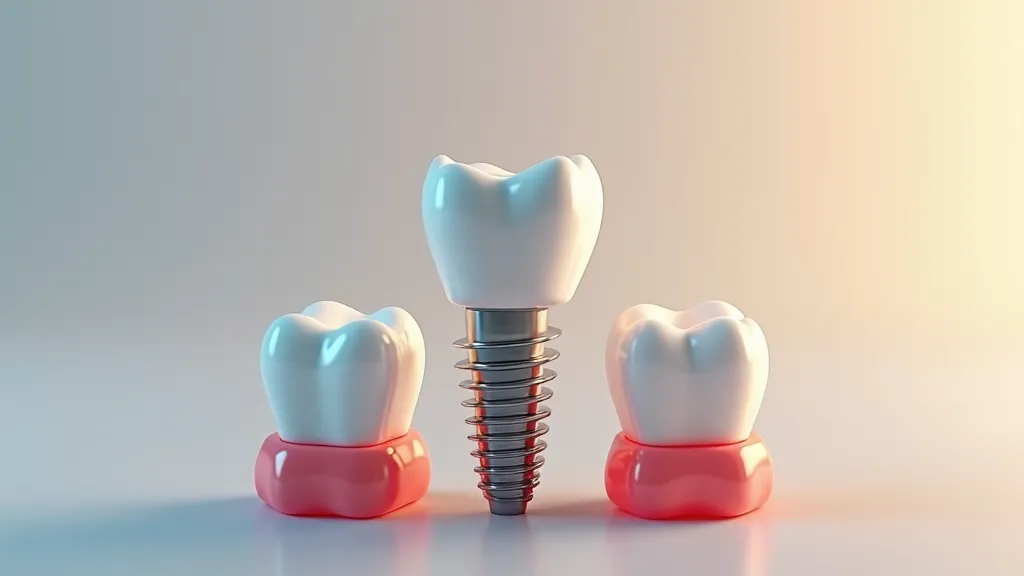
Unlock the Top Kept Secrets to Finding Your Ideal Dentist for Flawless Dental Implant Results!

Discovering Springdale Estates

Unveiling RS Sul Telecom Services

The Guide to Car Trading

Profileimpl Jade: Expert Guide to Implant Options
Profileimpl Jade is a well-known dental implant platform used for treatment planning and restoration workflows. This guide explains, in objective terms, what implant “profile” systems typically cover, how suppliers and pricing factors influence decisions, and what clinicians evaluate during selection—so patients can ask better questions in consultation and follow clear care requirements.